x
x

Field notes from the jobs we carry out, material comparisons and step-by-step application guides. Pick a category to find the topic you are looking for.

Waterproofing

Waterproofing applications for foundations, terraces, wet areas and water structures.
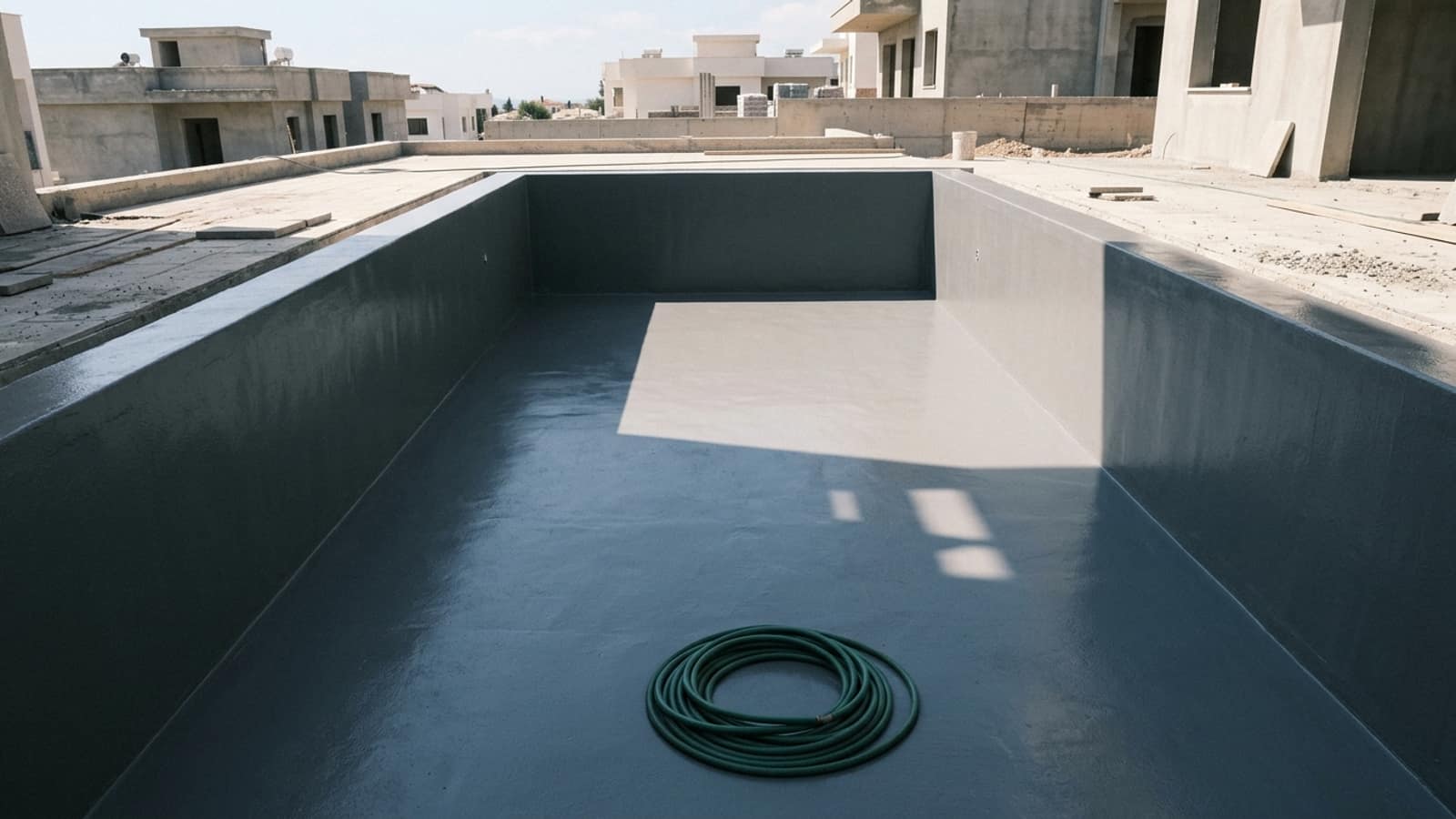
An empty swimming pool after its waterproofing was renewed; the coating runs unbroken from the coping down to the floor
Ahmet Toka

Pool and Water Tank Waterproofing: Choosing the Right System

Certification, negative-side work, coating compatibility and water testing in pool and tank waterproofing. System selection, application steps and leak detection.

Read More
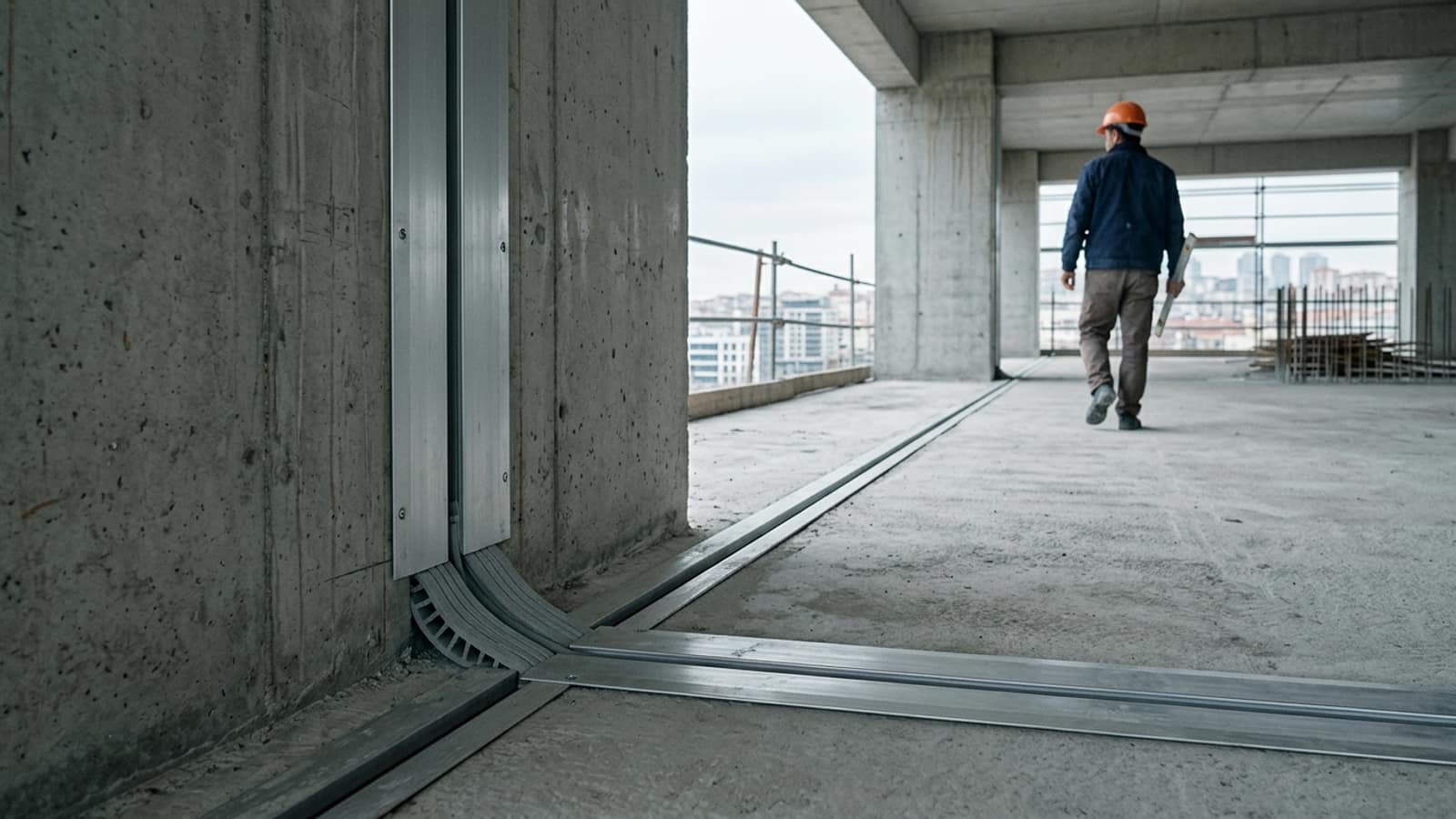
A movement joint running from the wall across the floor slab, fitted with a metal joint cover profile
Ahmet Toka

Expansion and Construction Joints: Sealing Moving Gaps

Why can't an expansion joint simply be covered with a membrane? Joint types, movement calculation, choosing the right filler and watertight detailing.

Read More
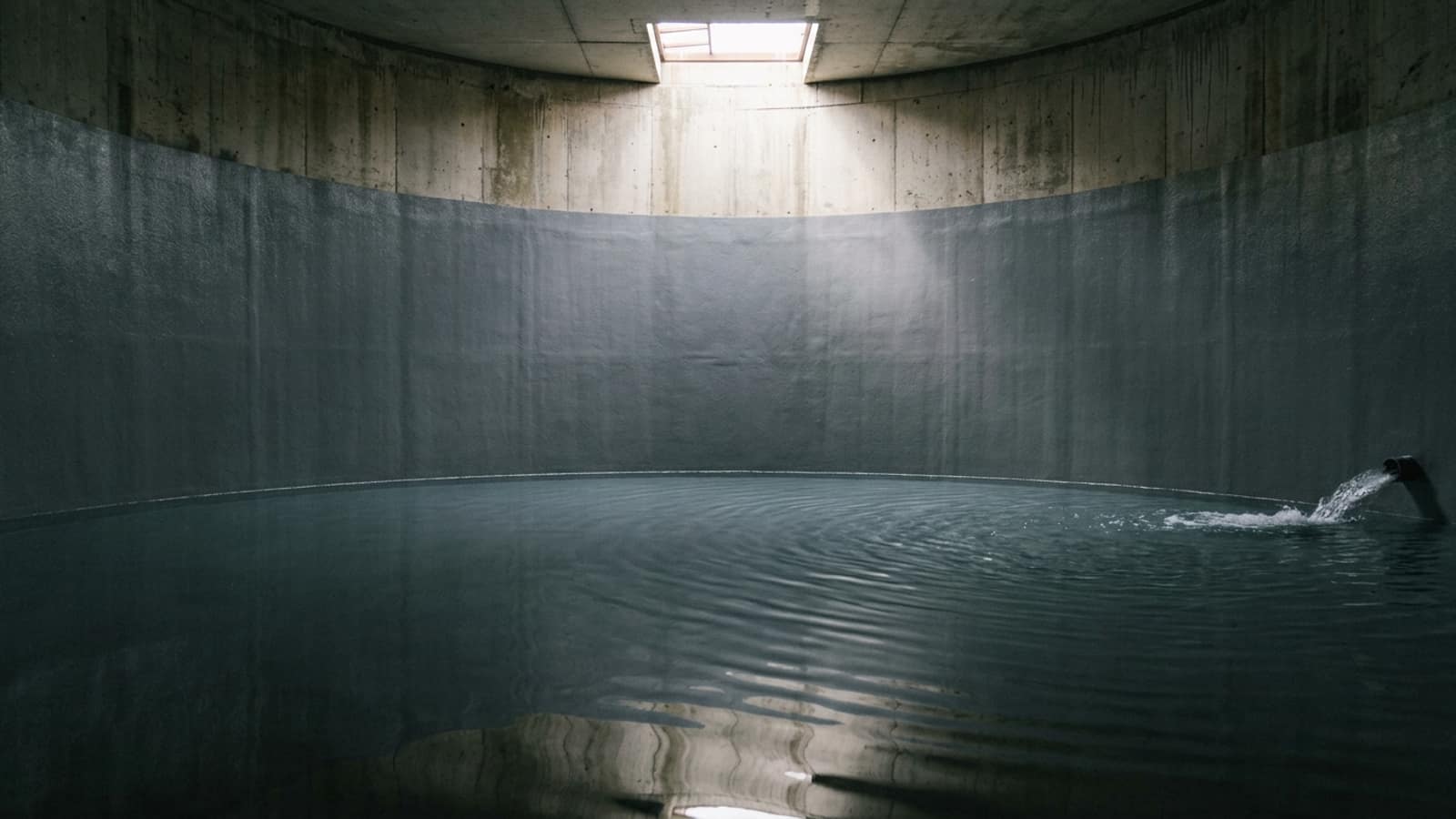
A polyurea-lined concrete water reservoir being refilled; a sharp wet-dry line across the seamless dark grey surface
Ahmet Toka

What Is Polyurea Coating? Advantages and Applications

Polyurea cures in seconds and is seamless and abrasion resistant: how it works, application conditions, where it is used and the cost balance.

Read More
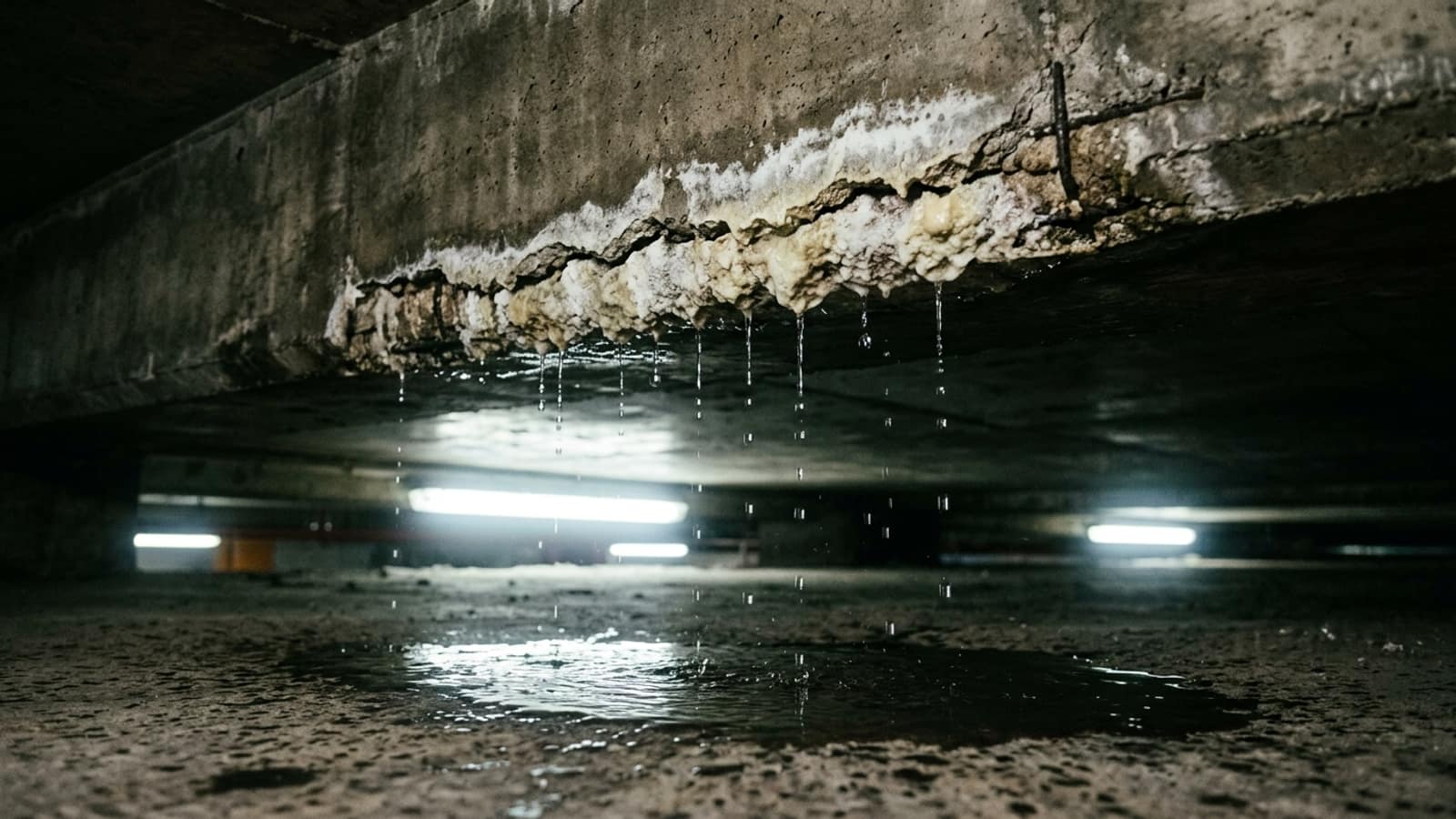
Water dripping from a crack in an underground car park ceiling, with lime deposits crusted along its length
Ahmet Toka

Stopping Water Leaks with Injection: How Does It Work?

The injection method can be applied even while water is actively flowing: resin types, packer layout, application steps and when it gives a lasting result.

Read More
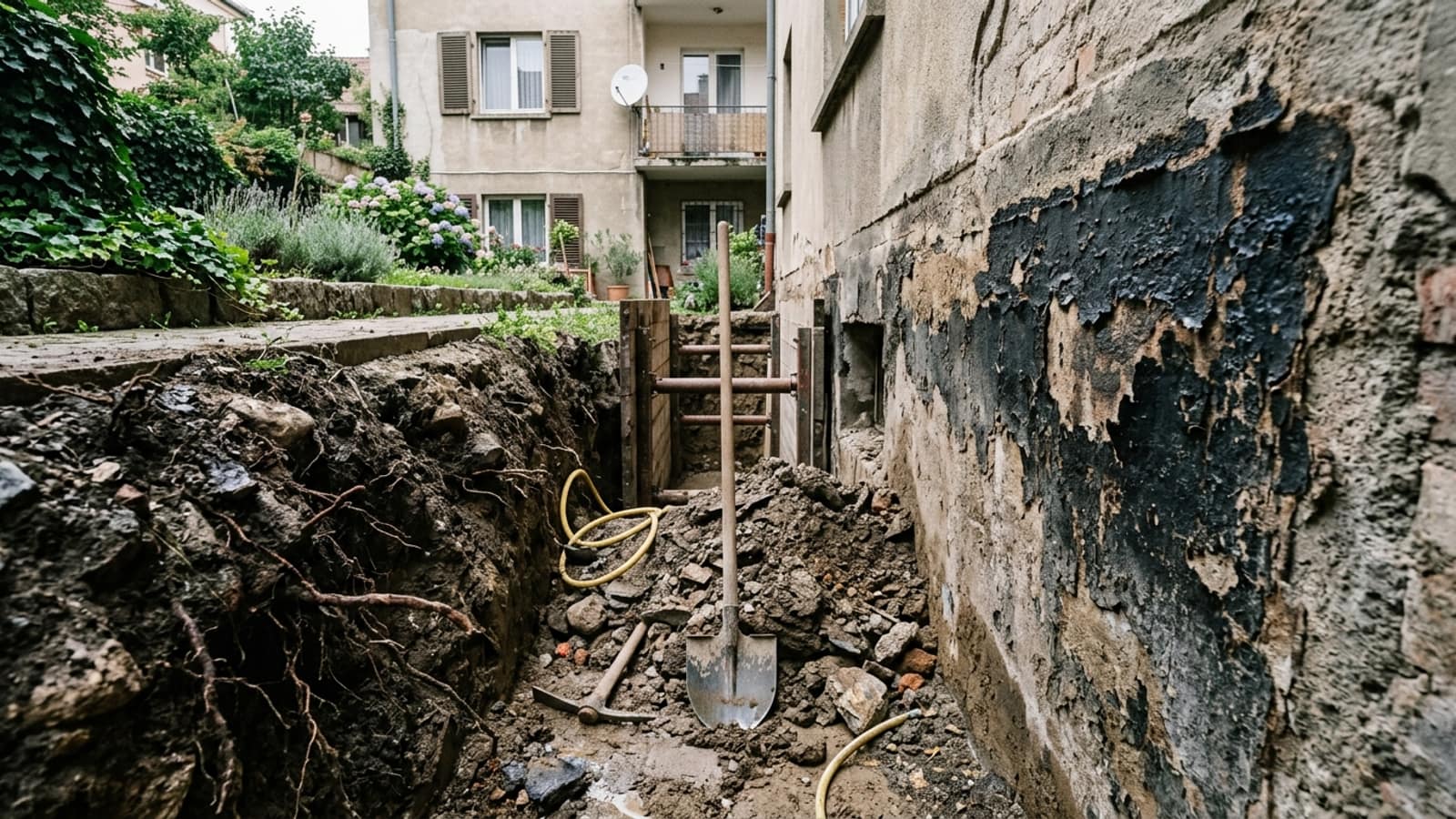
A narrow trench dug to reach the basement wall of an existing building; the old bitumen coating on the wall has failed
Ahmet Toka

Basement Waterproofing: Positive and Negative Side Explained

Should a basement be waterproofed from the outside or the inside? The positive/negative side difference, workable solutions in existing buildings and what a lasting result requires.

Read More
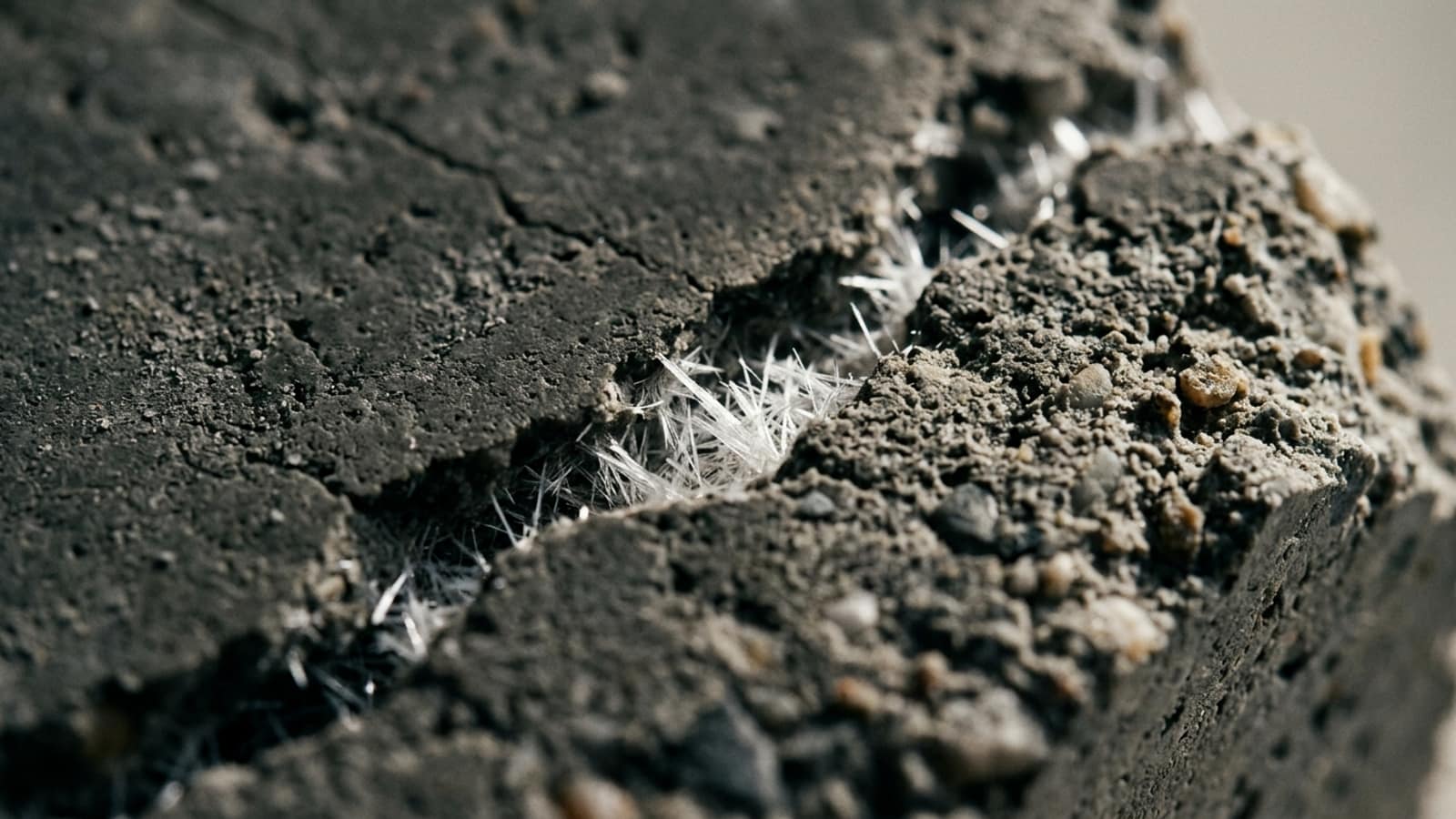
Macro of a broken concrete sample: white needle-like crystals grown inside a hairline crack
Ahmet Toka

What Is Crystalline Concrete Admixture and How Does It Work?

Crystalline admixture forms crystals within the concrete mass to provide permanent impermeability. How it works, where it is used and how it differs from membranes.

Read More
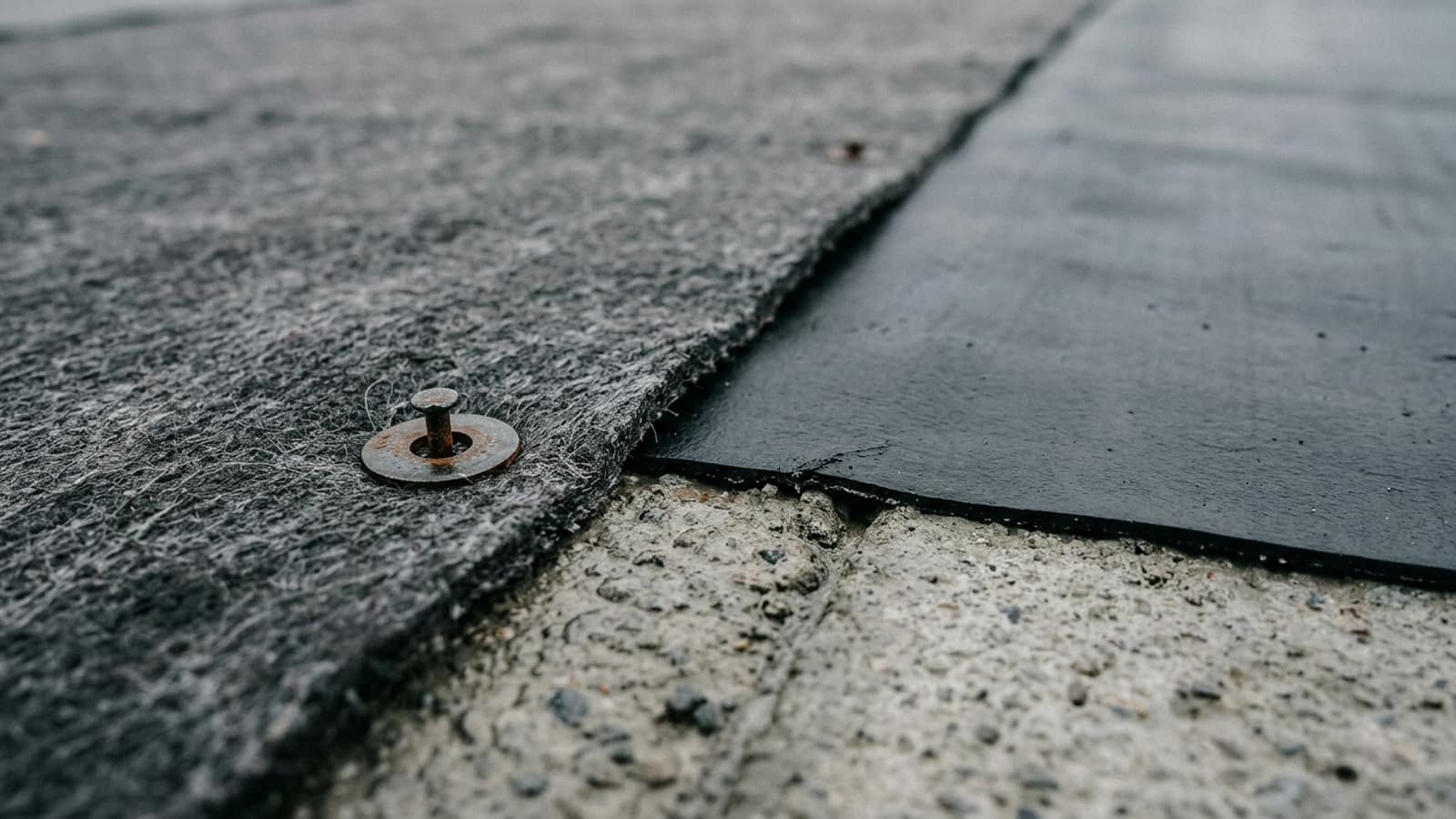
The seam where a bentonite mat meets a bituminous membrane on the blinding concrete, the mat edge fixed with a washered nail
Ahmet Toka

Foundation Waterproofing: Bentonite or Membrane?

Bentonite versus bituminous membrane for foundations: water table, excavation conditions, application speed and which one to choose in each case.

Read More
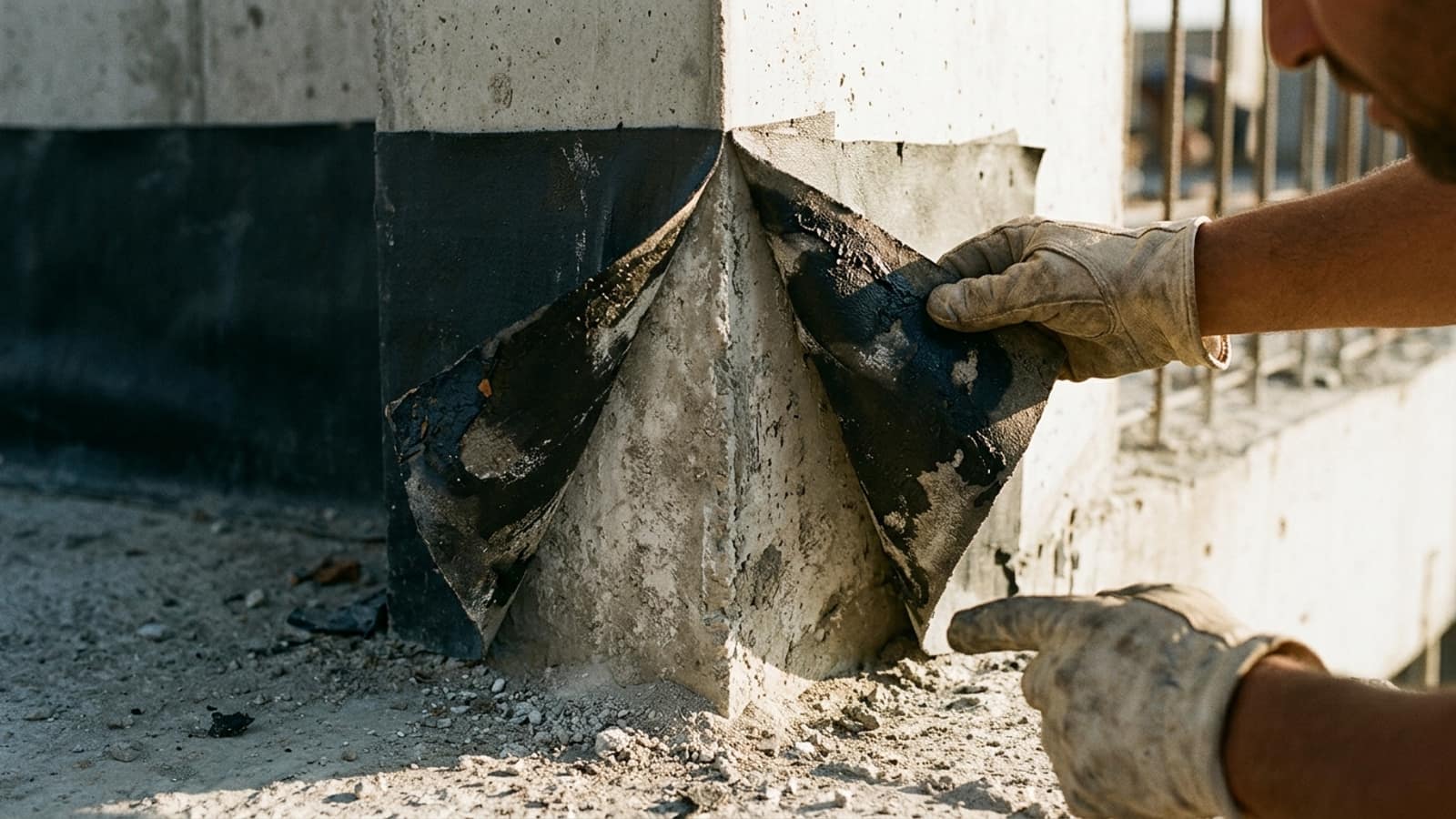
Membrane peeled back by hand at an internal corner, revealing the dusty, unprepared substrate underneath
Ahmet Toka

5 Key Points to Watch Out for in Waterproofing

Most waterproofing failures come from the same five points: surface preparation, details, the right system, thickness control and water testing. Notes from the field.

Read More
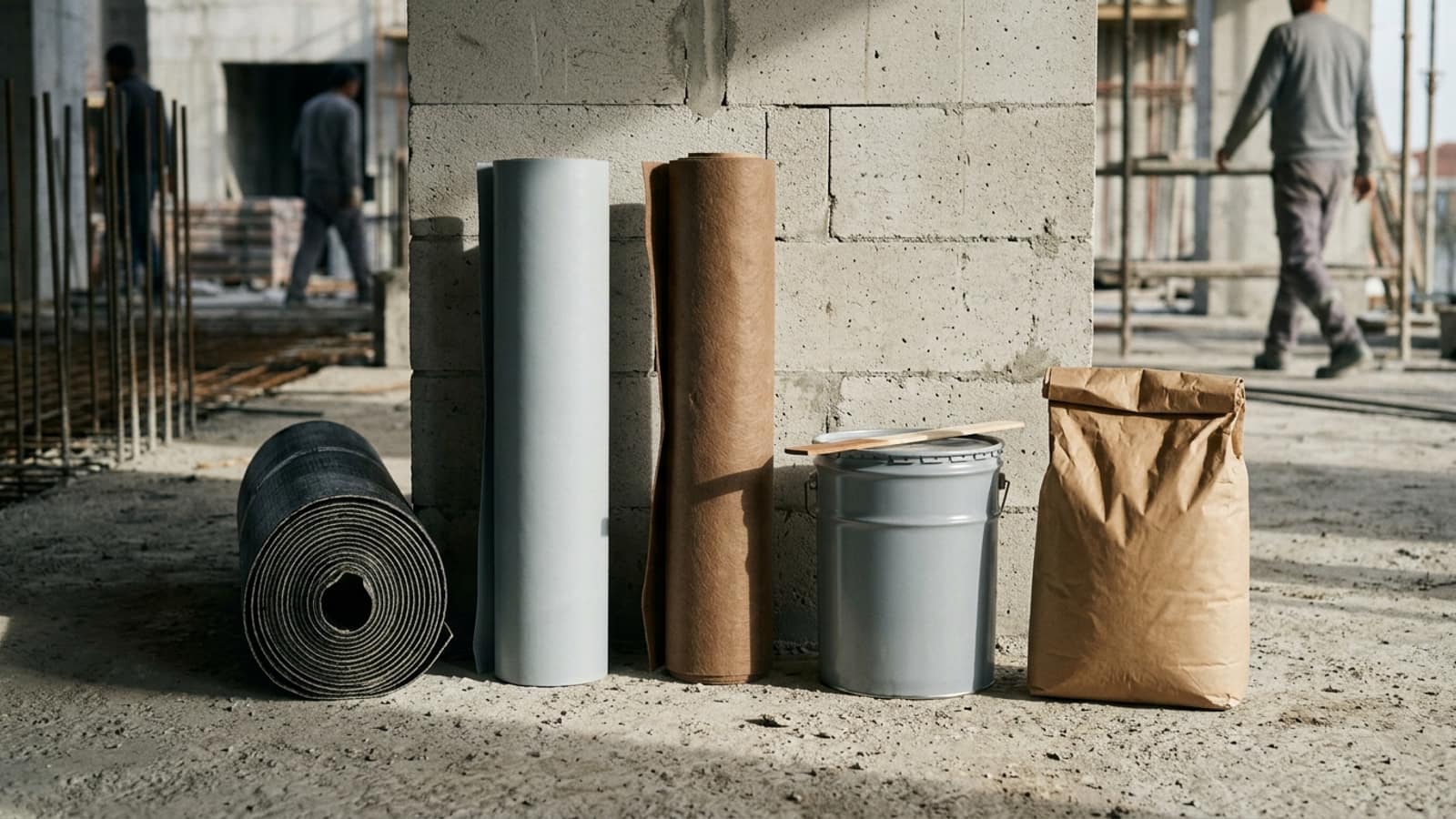
Five waterproofing systems standing side by side on a jobsite: bituminous membrane, PVC, bentonite roll, polyurethane pail and a sack of cementitious powder
Ahmet Toka

Waterproofing Materials Compared: Which One Suits You?

Bituminous, polyurethane, cementitious, PVC/TPO and polyurea systems side by side: strengths, limits and which surface calls for which system.

Read More
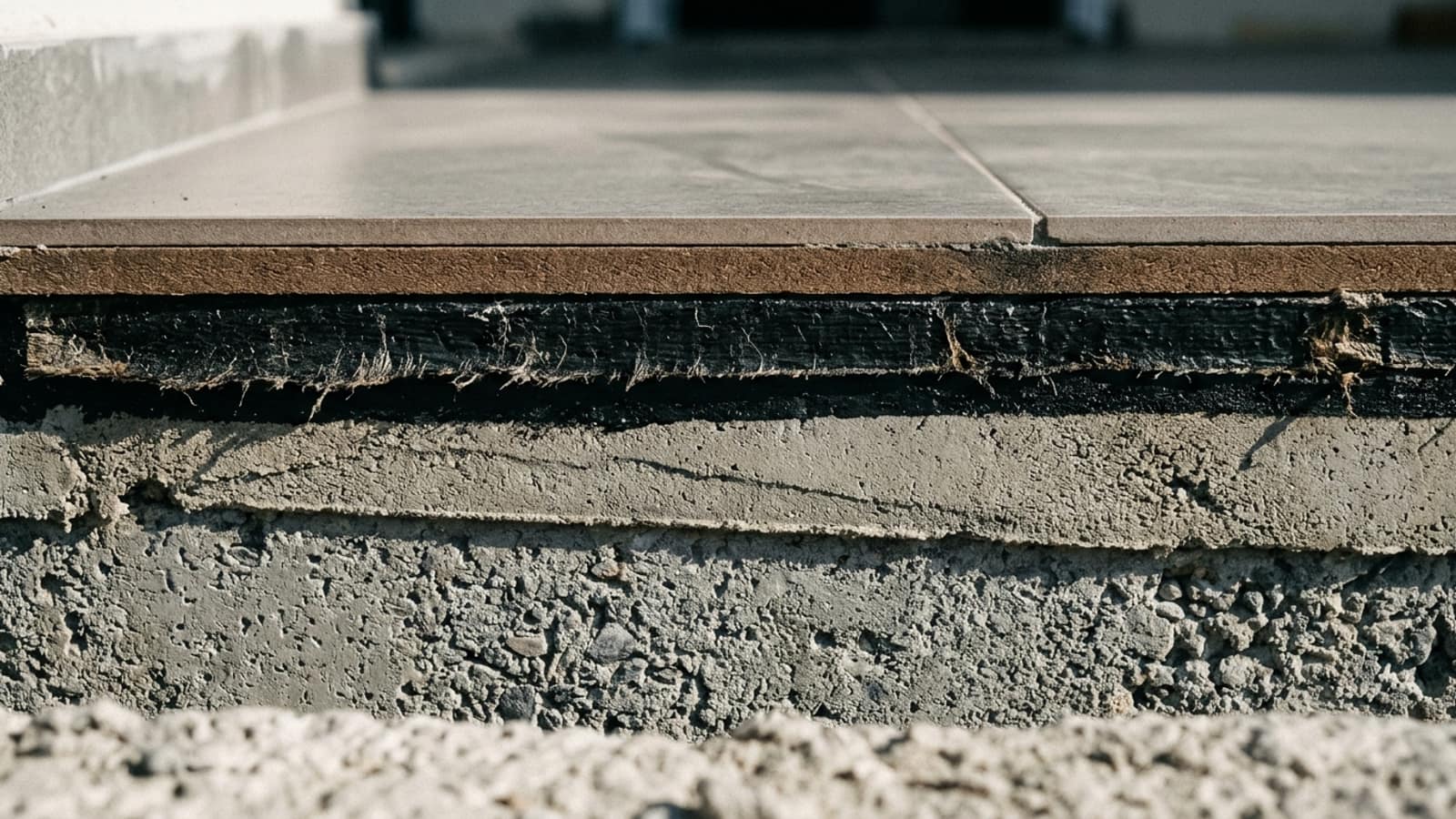
Section through a terrace build-up: structural concrete, sloping screed, primer, waterproofing membrane, adhesive and tiles from bottom to top
Ahmet Toka

How Is Terrace Waterproofing Done? Step-by-Step Guide

Terrace waterproofing step by step: falls and detail preparation, membrane and liquid system selection, water testing, common mistakes and a maintenance schedule.

Read More

Floor Coating

Epoxy, polyurethane and decorative floor systems.
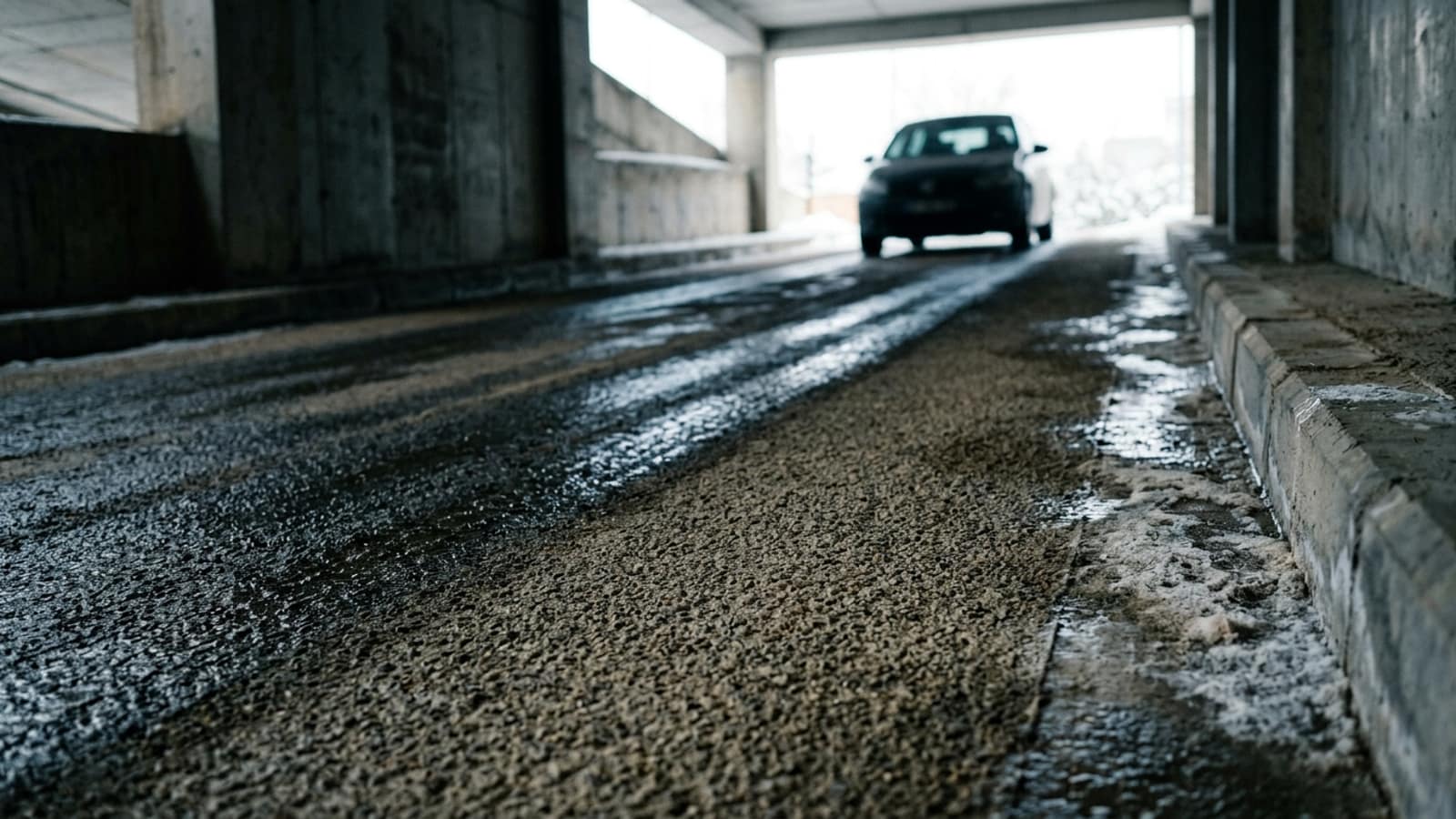
Wet tyre tracks on an underground car park ramp, with dried salt residue along the edges
Ahmet Toka

Choosing and Applying Car Park Floor Coatings

Floor coating selection for enclosed and open car parks: loads, UV, waterproofing, ramp solutions, marking and wayfinding planning.

Read More
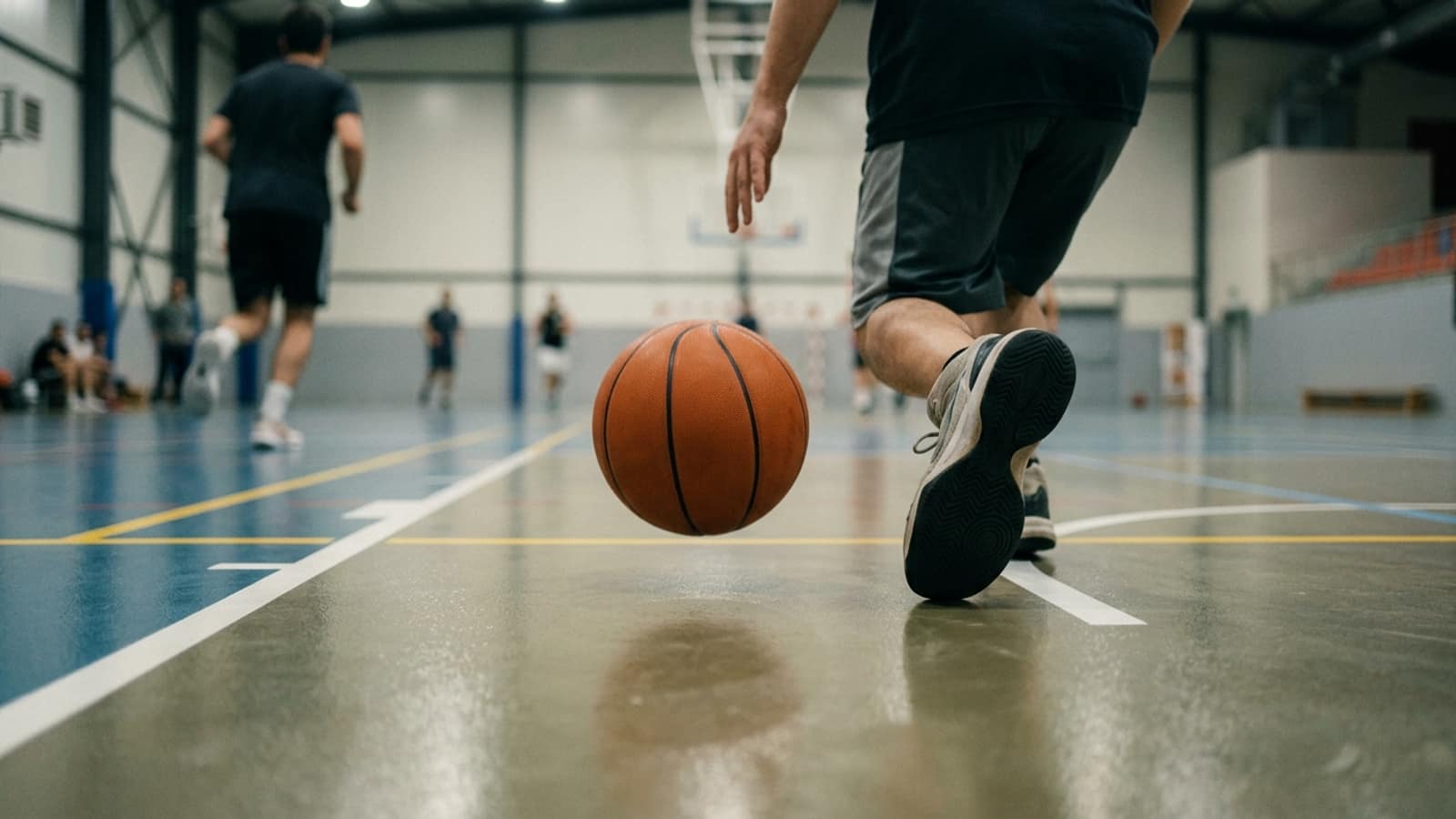
A basketball at the top of its bounce on a sports hall floor, beside a player's shoe
Ahmet Toka

Choosing Sports Flooring: The Right System per Discipline

Acrylic, polyurethane and synthetic sports floors: selection by discipline, shock absorption, ball bounce, outdoor durability and line marking details.

Read More
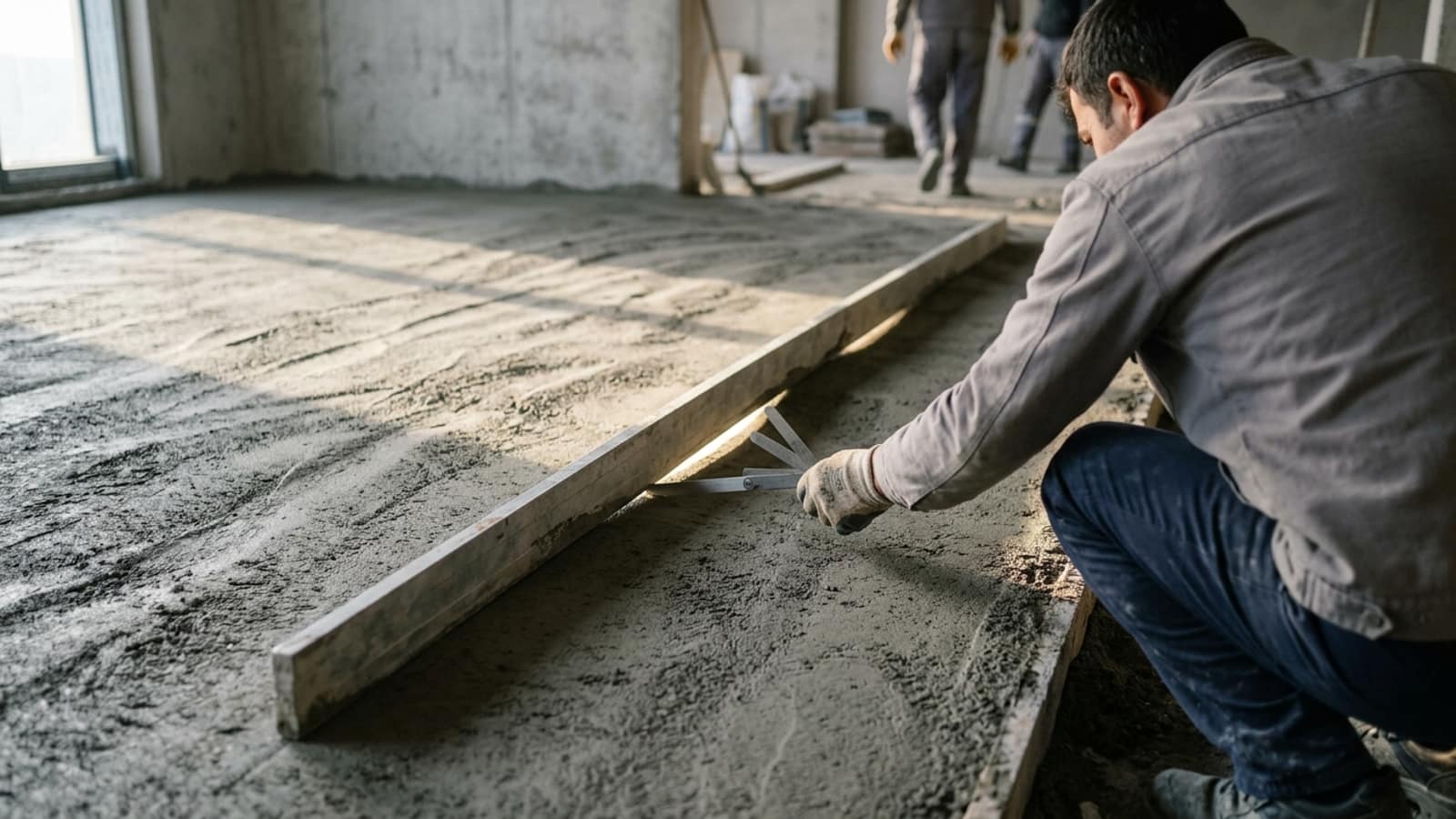
Flatness check on a screed floor with a straightedge; the gap underneath shows as a line of light
Ahmet Toka

What Is Self-Levelling Screed and Where Is It Used?

Self-levelling screed: how it works, how it differs from traditional screed, thickness selection, application steps and common mistakes.

Read More
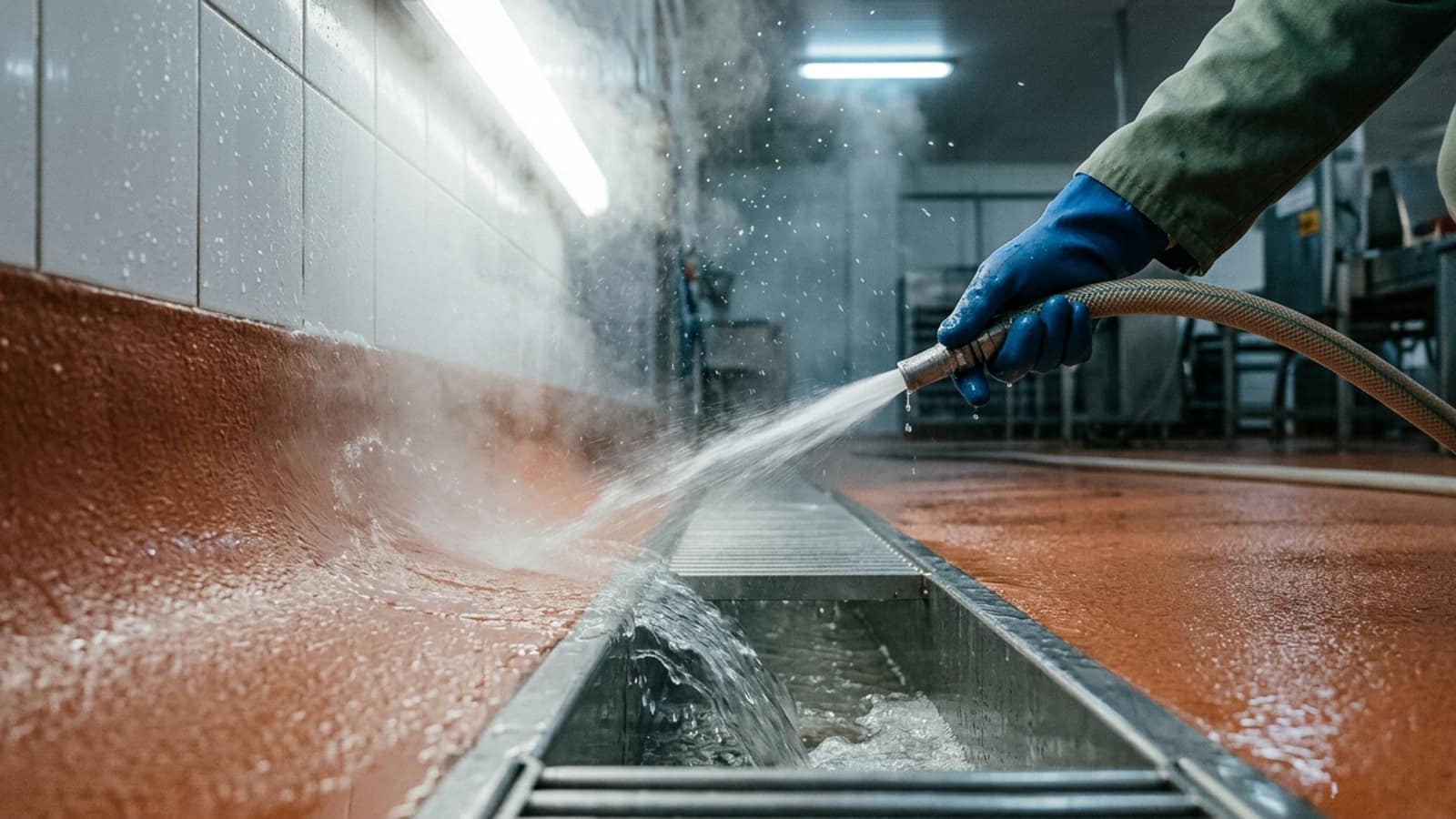
Hot-water washdown in a food plant: water running from the coved skirting into a stainless steel drainage channel, steam rising
Ahmet Toka

Polyurethane Concrete: The Floor Solution for Food Plants

Why is polyurethane concrete essential in food plant floors washed with hot water and exposed to thermal shock? Working principle, thickness and hygiene details.

Read More
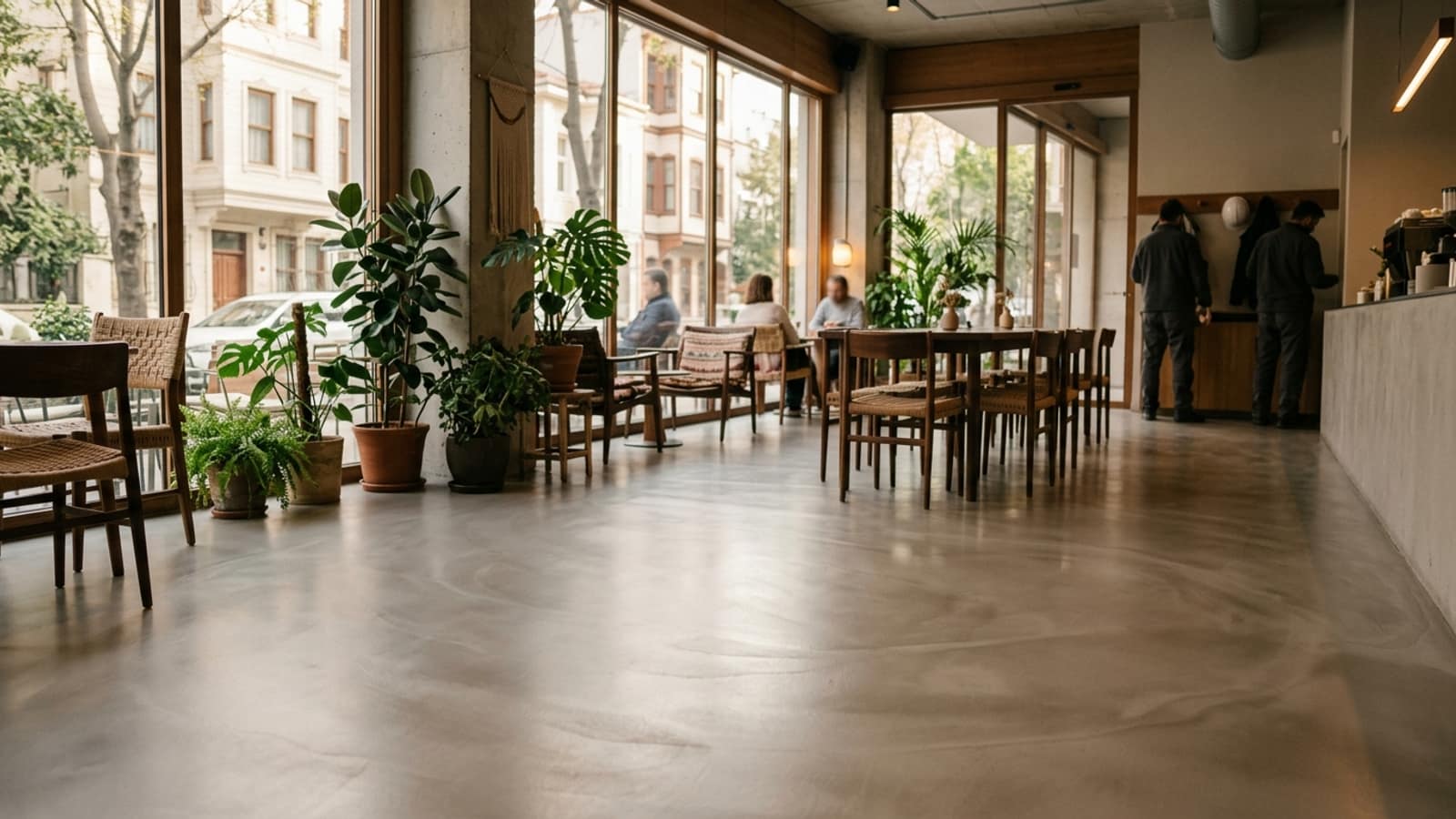
Seamless decorative resin floor in a café interior, reflecting the window light softly
Ahmet Toka

Decorative Floor Coating Options and Current Trends

Micro concrete, stamped concrete, acrylic and polished concrete: decorative floor options, where they are used, durability differences and how to choose.

Read More
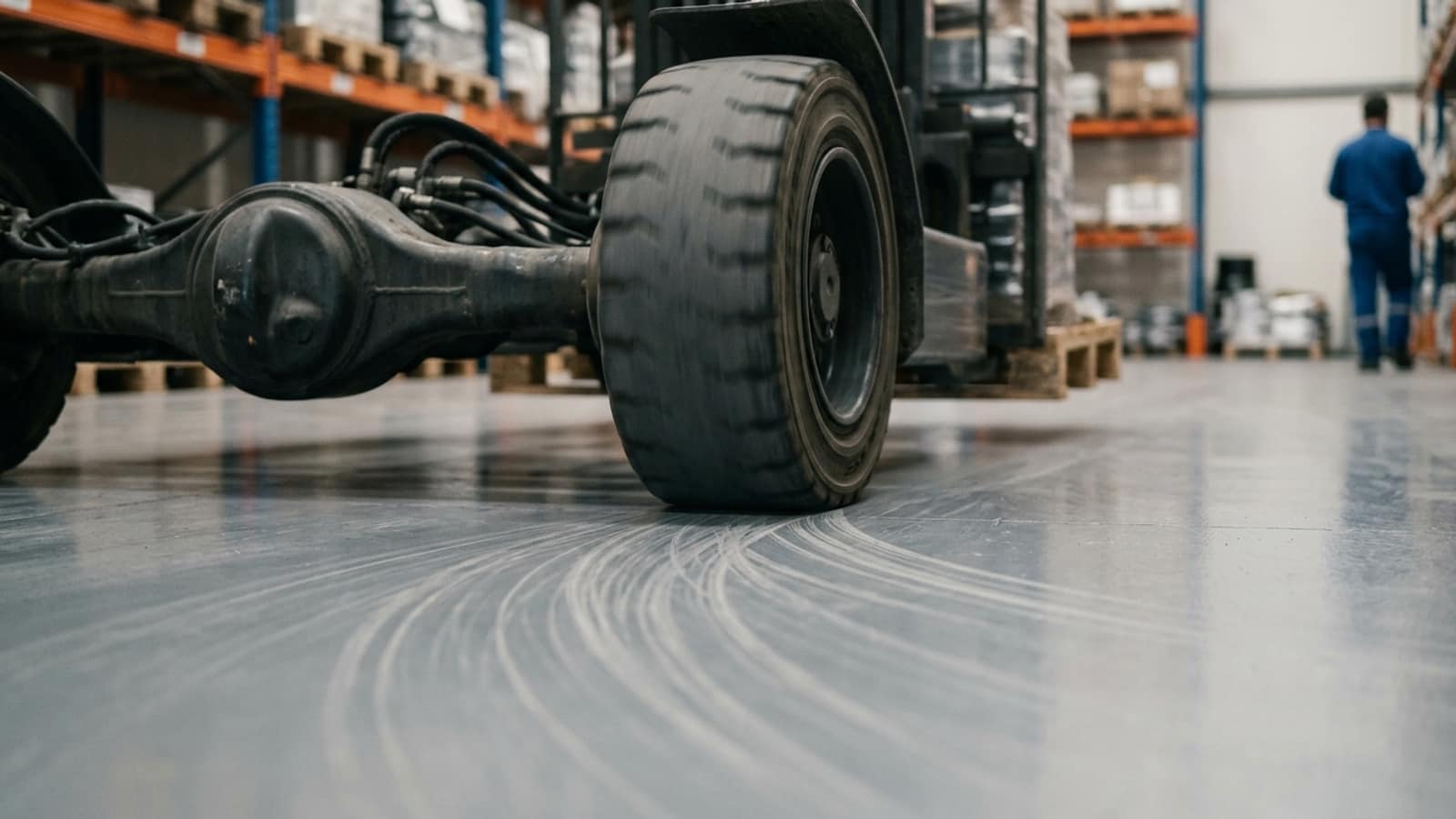
The wheel of a loaded forklift biting into a coated floor as it turns, scuff arcs fanning out behind it
Ahmet Toka

The Importance of Floor Coating in Industrial Areas

Industrial floor coating directly affects safety, hygiene, maintenance cost and production continuity. Systems, selection criteria and cost analysis.

Read More
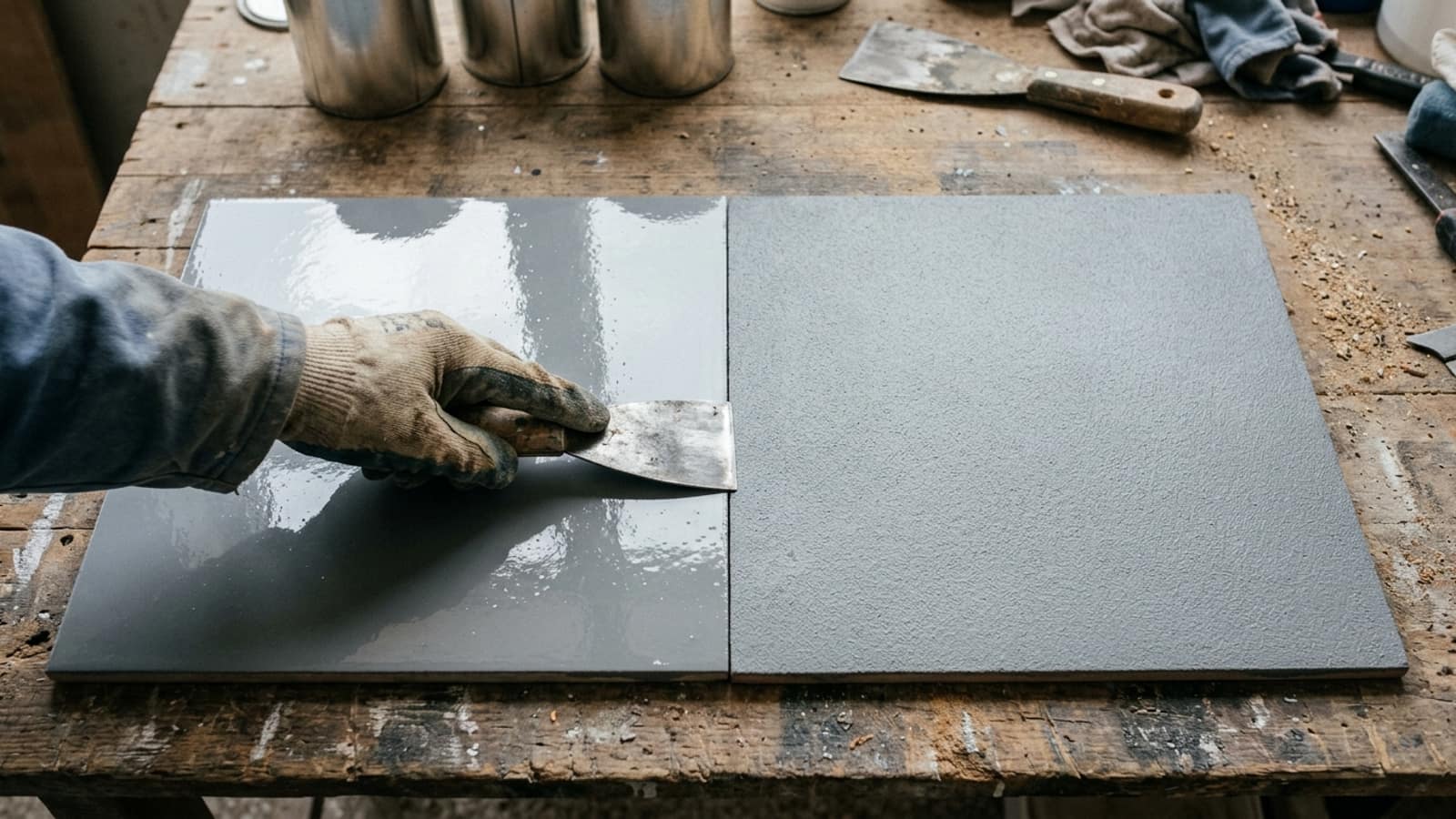
Two samples side by side: glossy epoxy on the left, matte semi-flexible polyurethane on the right
Ahmet Toka

The Differences Between Epoxy and Polyurethane Floor Coating

Epoxy versus polyurethane floor coating: hardness, flexibility, UV, temperature and chemical resistance. Which one is right for which facility?

Read More

Structural Strengthening

Strengthening load-bearing systems with reinforced concrete, steel and carbon fibre.
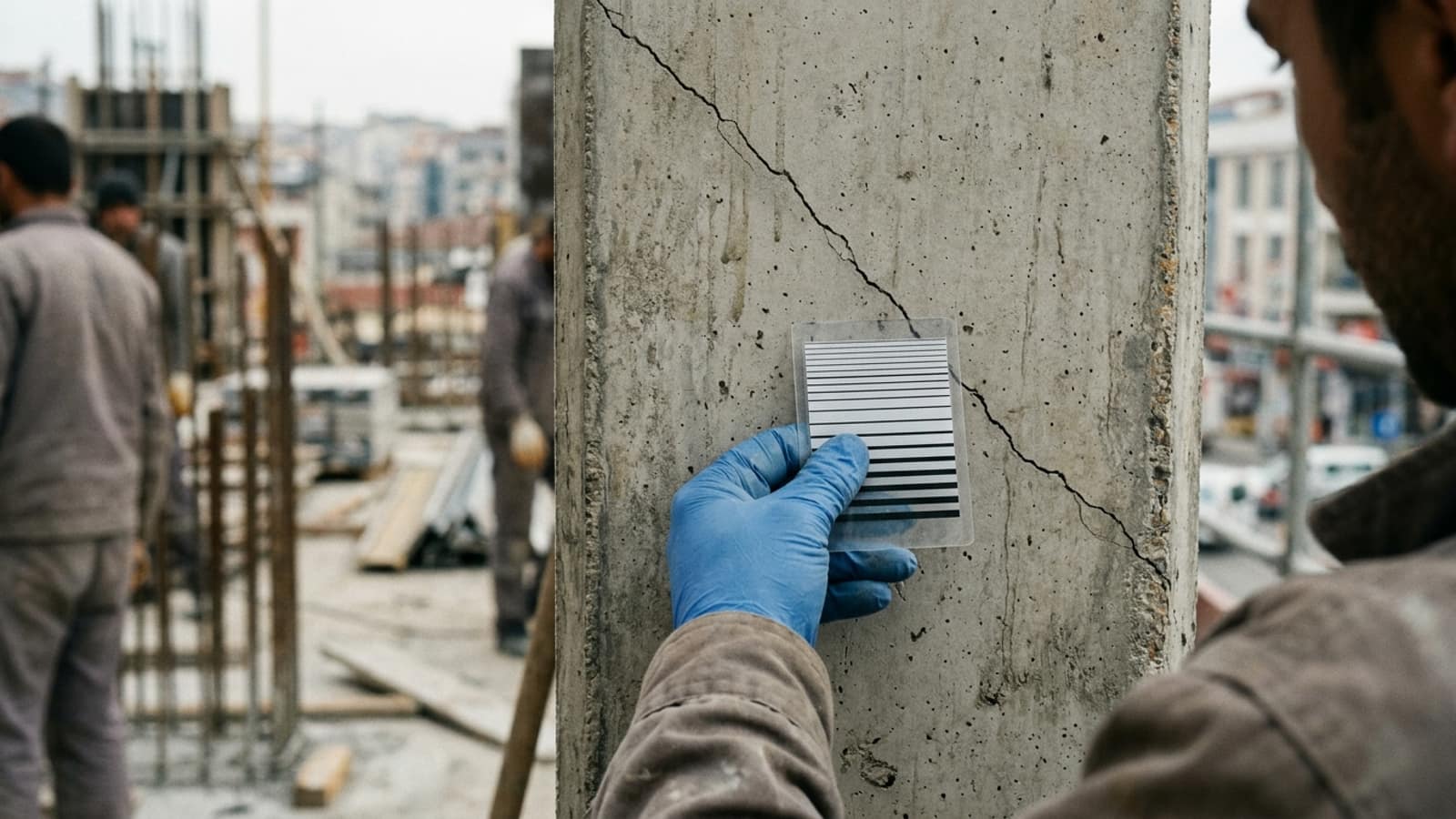
A crack width comparator card held against a crack in a reinforced concrete column
Ahmet Toka

Concrete Cracks: Types, Causes and Repair Methods

Which crack is dangerous? Telling shrinkage, structural and corrosion cracks apart, monitoring methods and choosing the right repair technique.

Read More
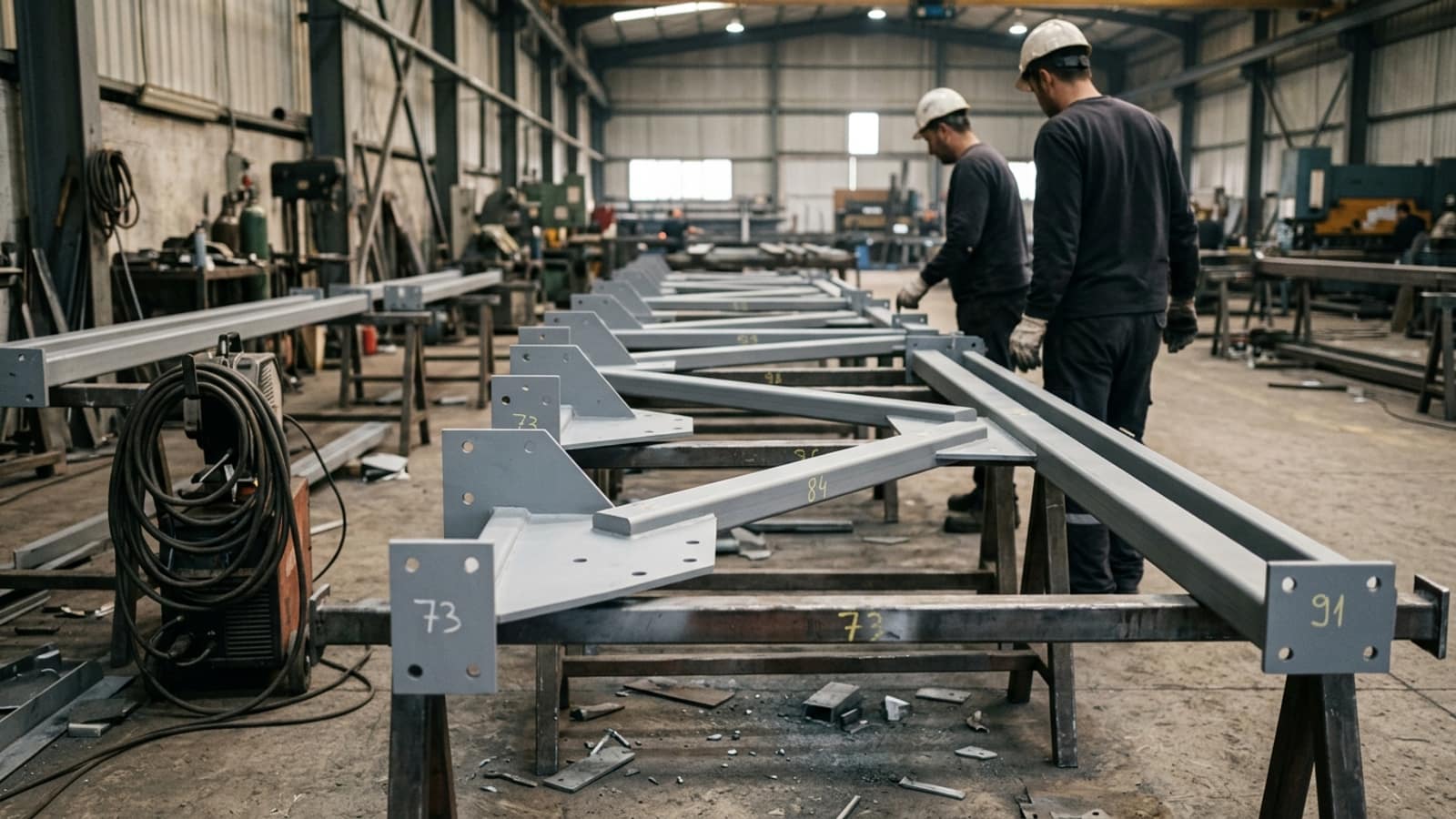
Steel strengthening elements laid out on trestles in a workshop, drilled and primed
Ahmet Toka

What Is Steel Strengthening and When Is It Preferred?

Strengthening with steel jackets, braces and plates: application types, connection details, fire and corrosion protection, advantages and limits.

Read More
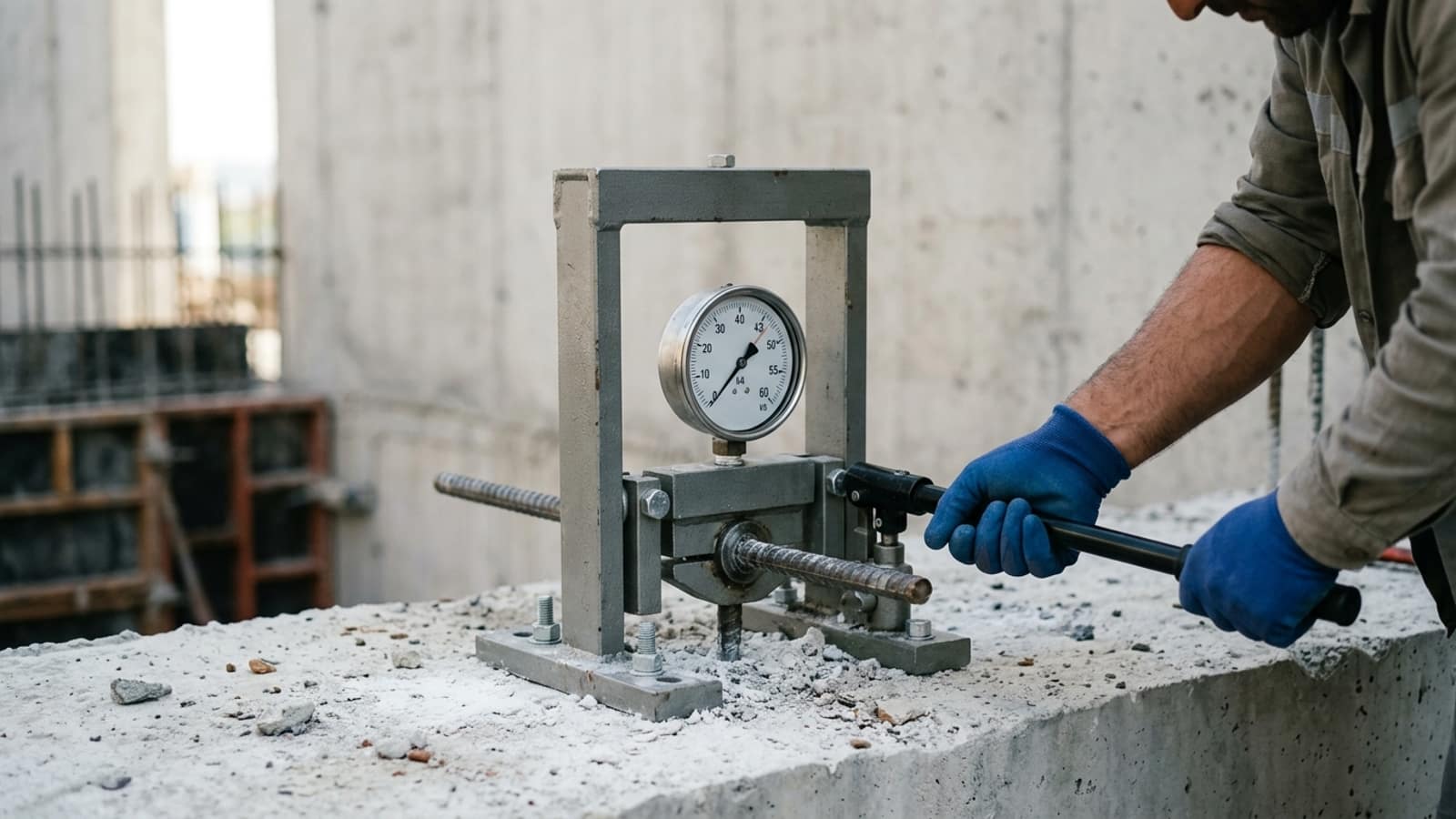
A hydraulic pull-out test rig fitted to an installed rebar dowel, its gauge under load
Ahmet Toka

What Is Rebar Doweling and How Is It Done?

Rebar doweling (chemical anchoring): how chemical anchors work, hole preparation, anchorage depth, pull-out testing and common mistakes.

Read More
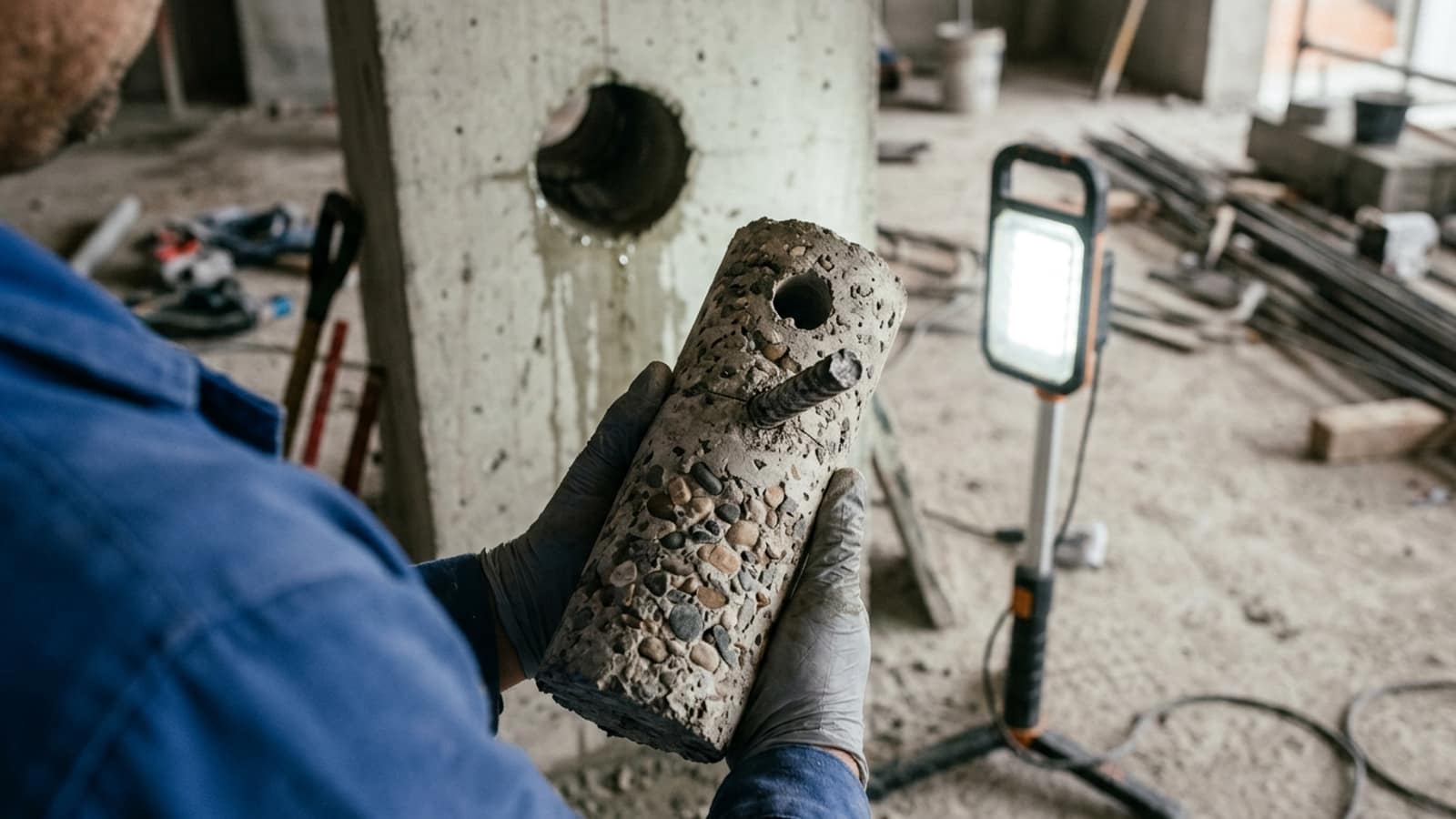
A concrete core sample held in a gloved hand, with the core hole still visible in the column behind
Ahmet Toka

Key Considerations When Strengthening Older Buildings

Strengthening older reinforced concrete buildings: the assessment process, low concrete strength, reinforcement problems, floor plan constraints and realistic expectations.

Read More
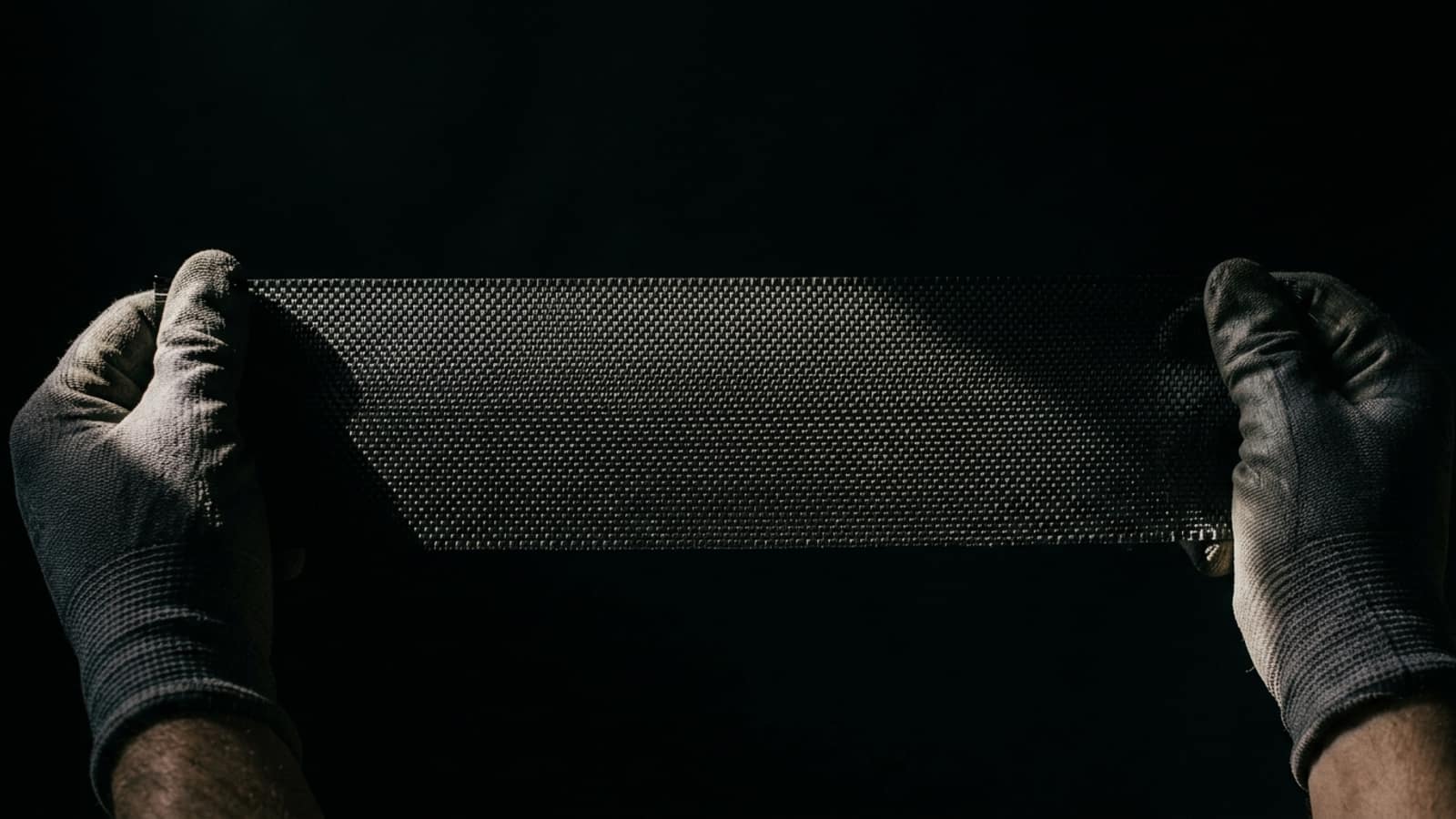
Unidirectional carbon fibre fabric held taut between gloved hands, its weave and thinness clearly visible
Ahmet Toka

What Is Carbon Fibre Polymer Strengthening and How Is It Applied?

Carbon fibre (CFRP) strengthening: working principle, fabric versus laminate, application steps, bond control and its limits.

Read More
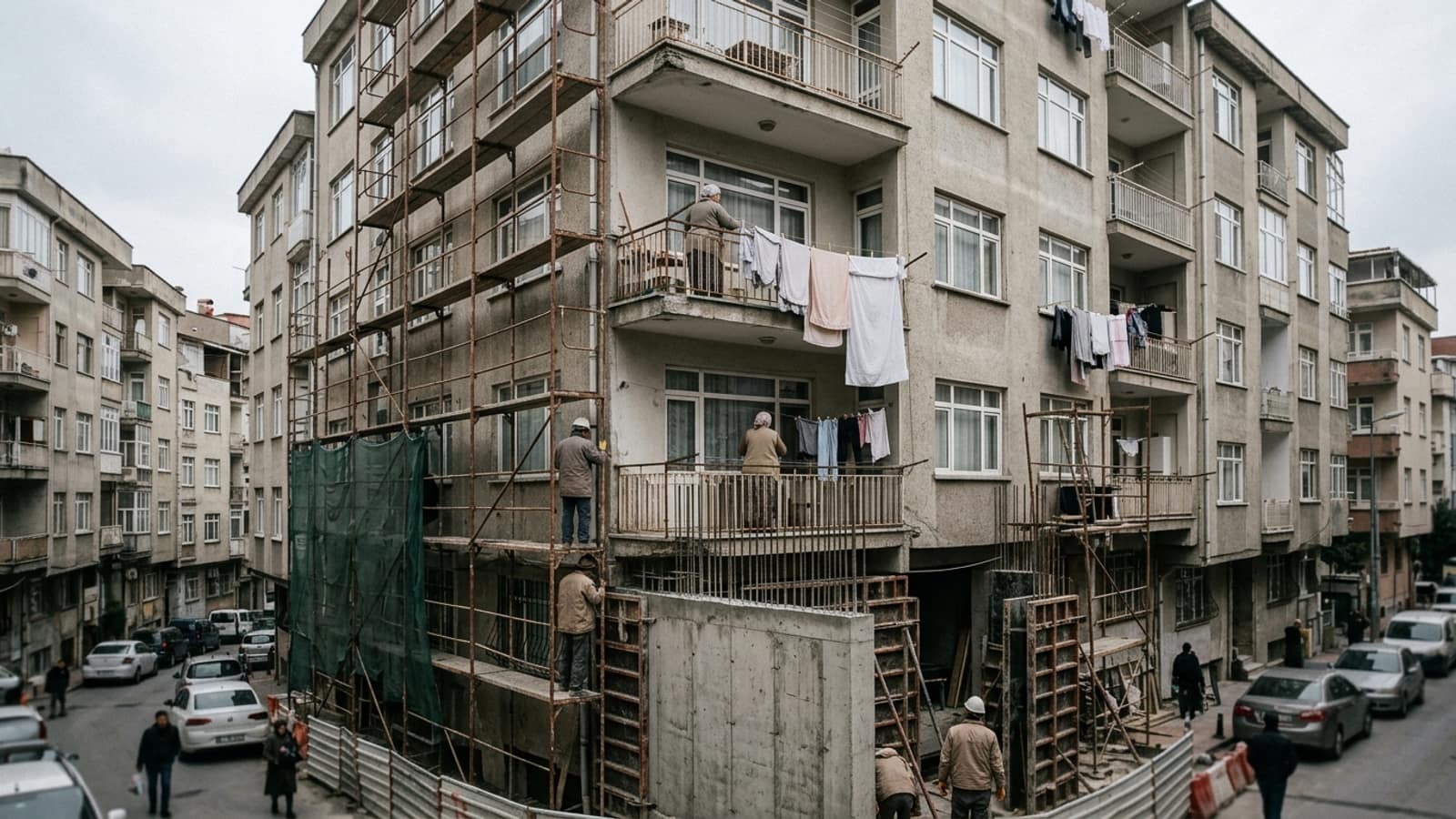
Strengthening work on an occupied apartment building under scaffolding, laundry still hanging on the balconies
Ahmet Toka

Strengthening Methods for Earthquake-Resistant Buildings

Reinforced concrete jacketing, steel, carbon fibre and added shear walls: strengthening methods, when each is chosen and how the process works.

Read More

Industrial Paint

Line marking, signage and industrial surface painting applications.
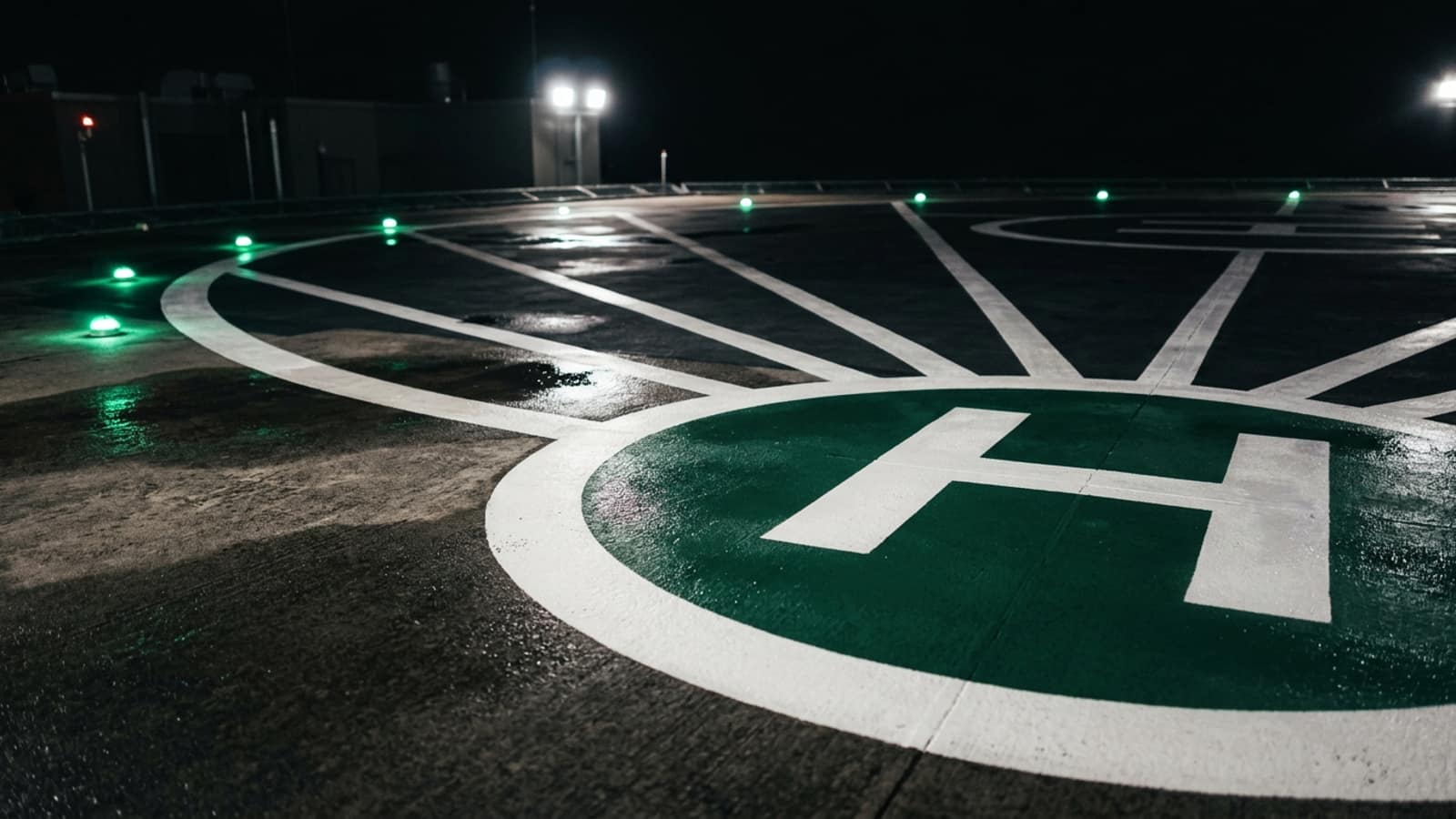
A helipad at night: green perimeter lights lit and the white landing markings floodlit
Ahmet Toka

Helipad Marking and Painting: Standards and Application

The H symbol, perimeter circle, load-bearing capacity marking, colour and slip resistance in helipad marking, plus maintenance requirements.

Read More
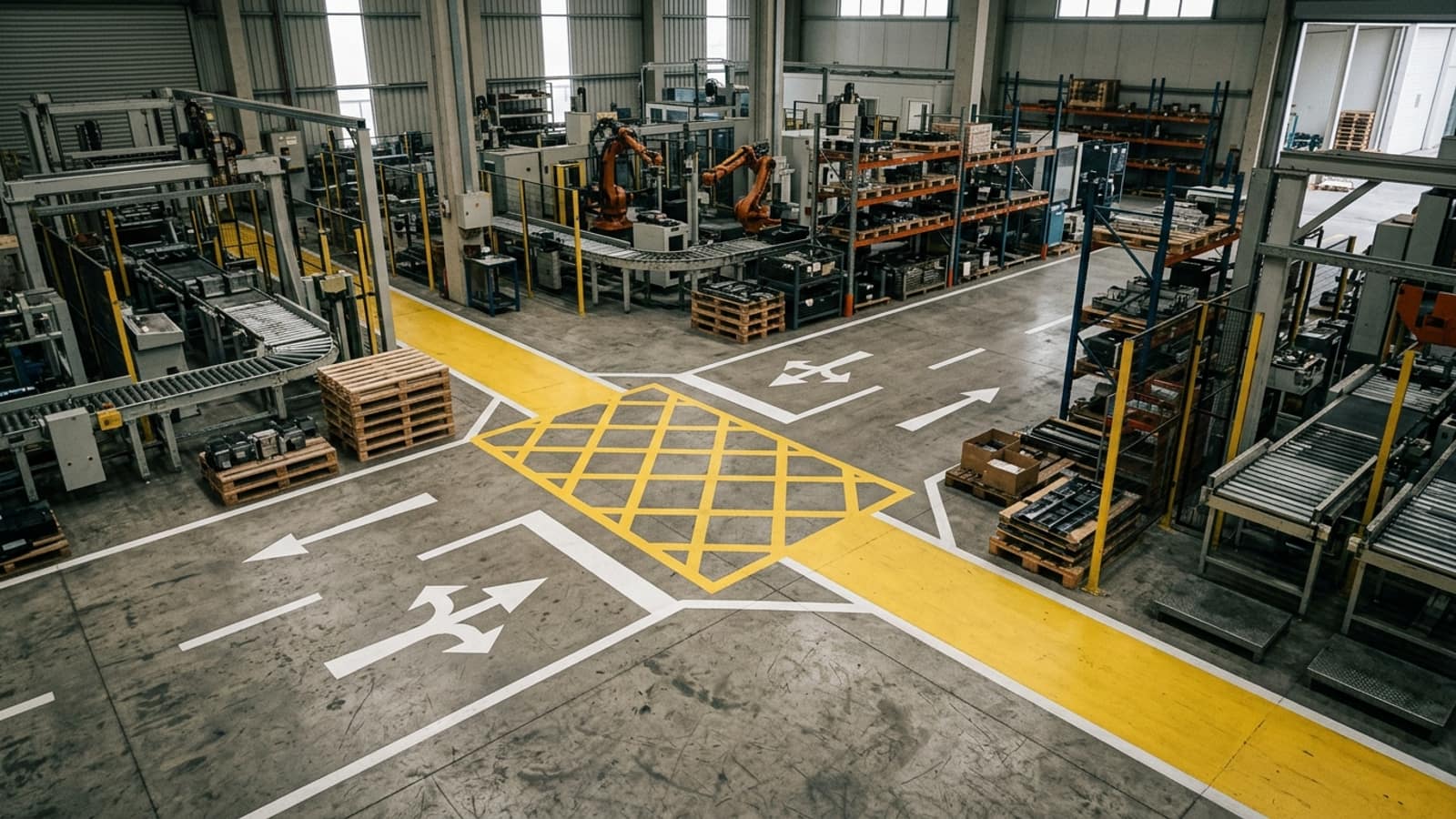
The point where a pedestrian route crosses a vehicle route on a factory floor, marked with a yellow hatched box, a stop line and directional arrows
Ahmet Toka

Safety Markings and Wayfinding Systems

In-plant floor markings, colour codes, pedestrian and forklift separation, column numbering and how wayfinding signage is planned.

Read More
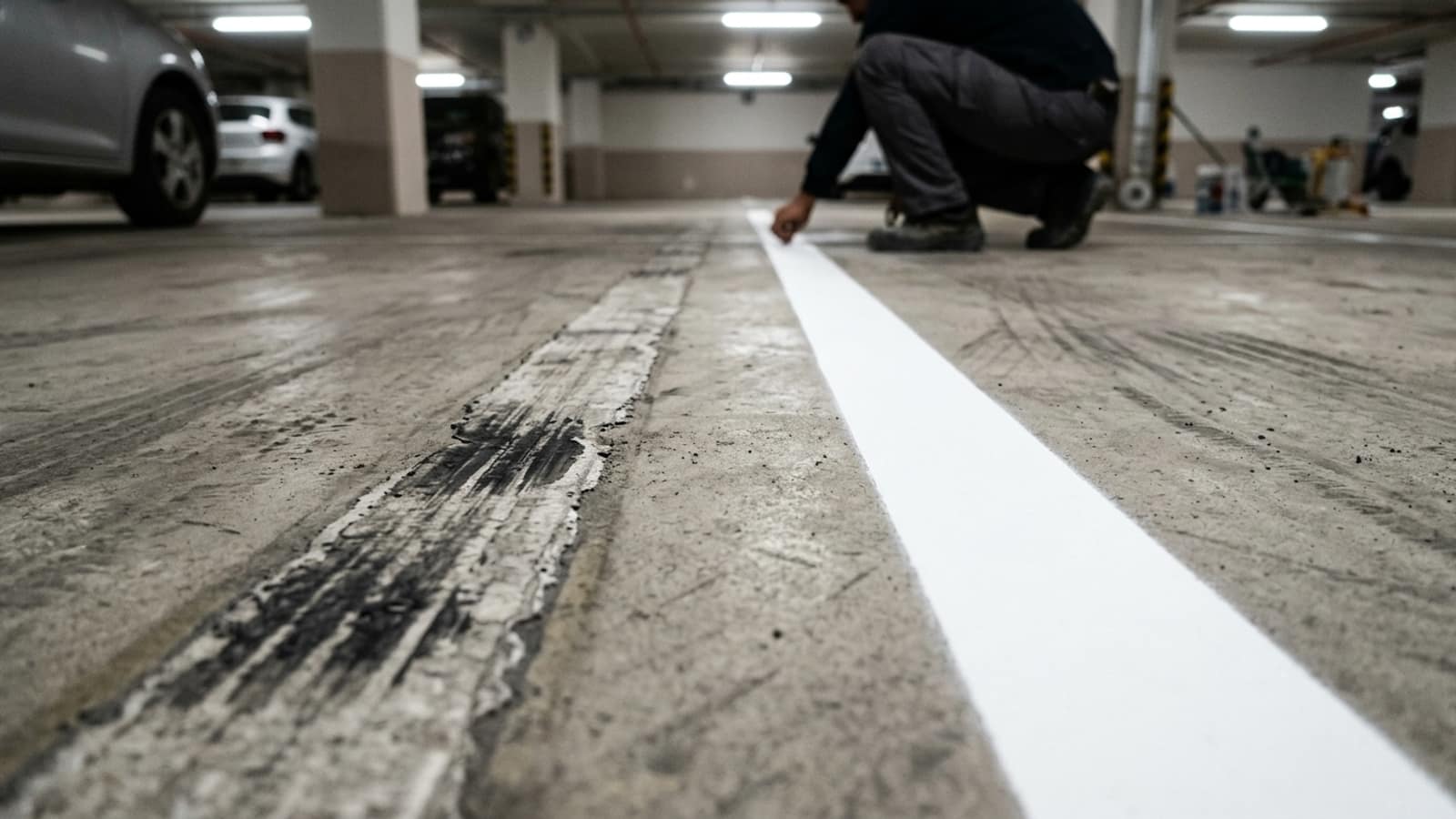
Two lines side by side on a car park floor: one worn away by tyre marks, the other freshly applied with crisp edges
Ahmet Toka

Choosing the Right Paint for Car Park and Road Markings

Acrylic, epoxy and thermoplastic compared for car park and road markings; substrate compatibility, slip resistance, curing time and planning.

Read More
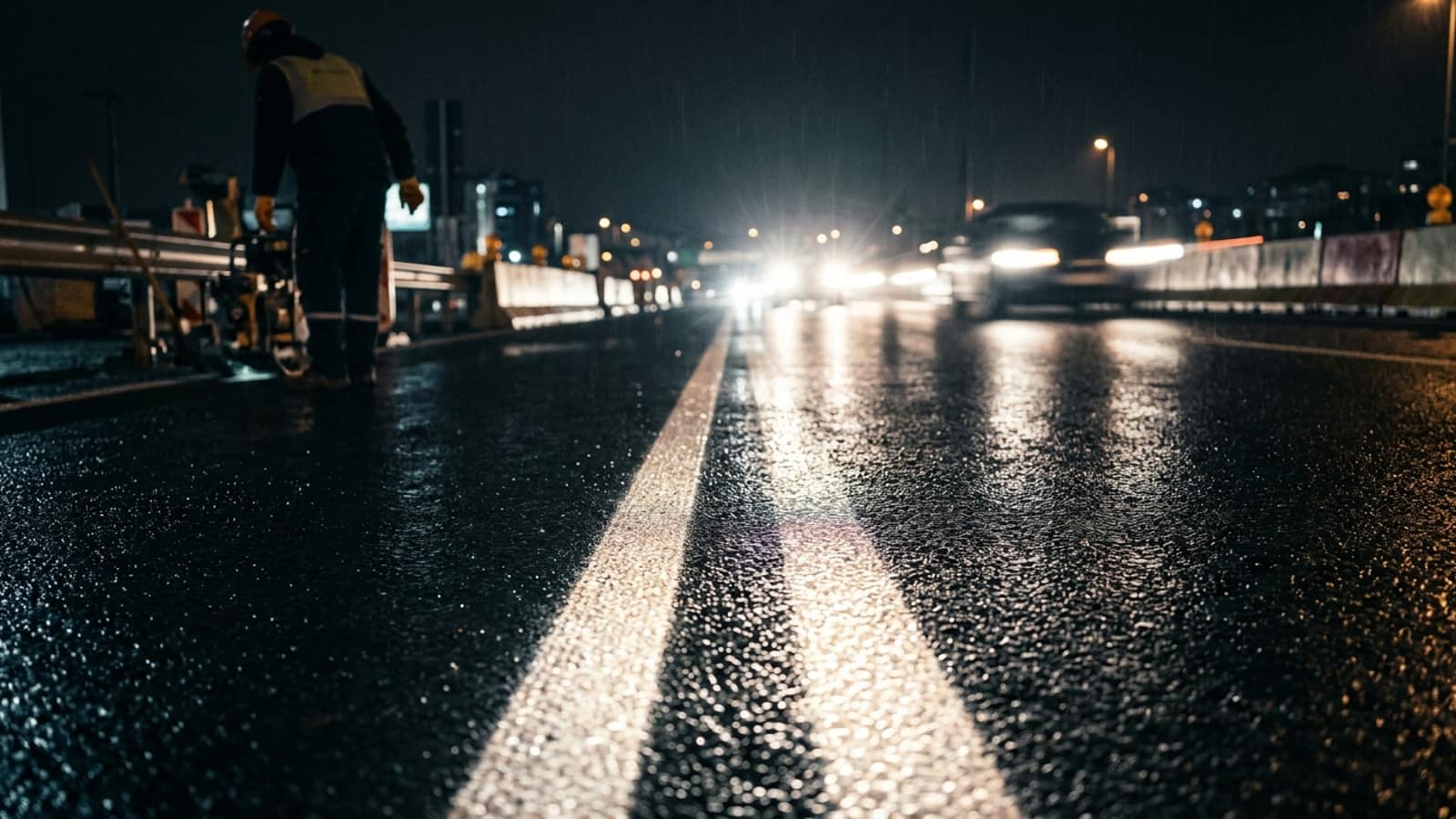
Thermoplastic road markings glowing under headlights on a wet road at night
Ahmet Toka

Advantages and Applications of Thermoplastic Paint

Thermoplastic road marking paint: how it works, service life compared with cold paint, retroreflection, application conditions and cost balance.

Read More
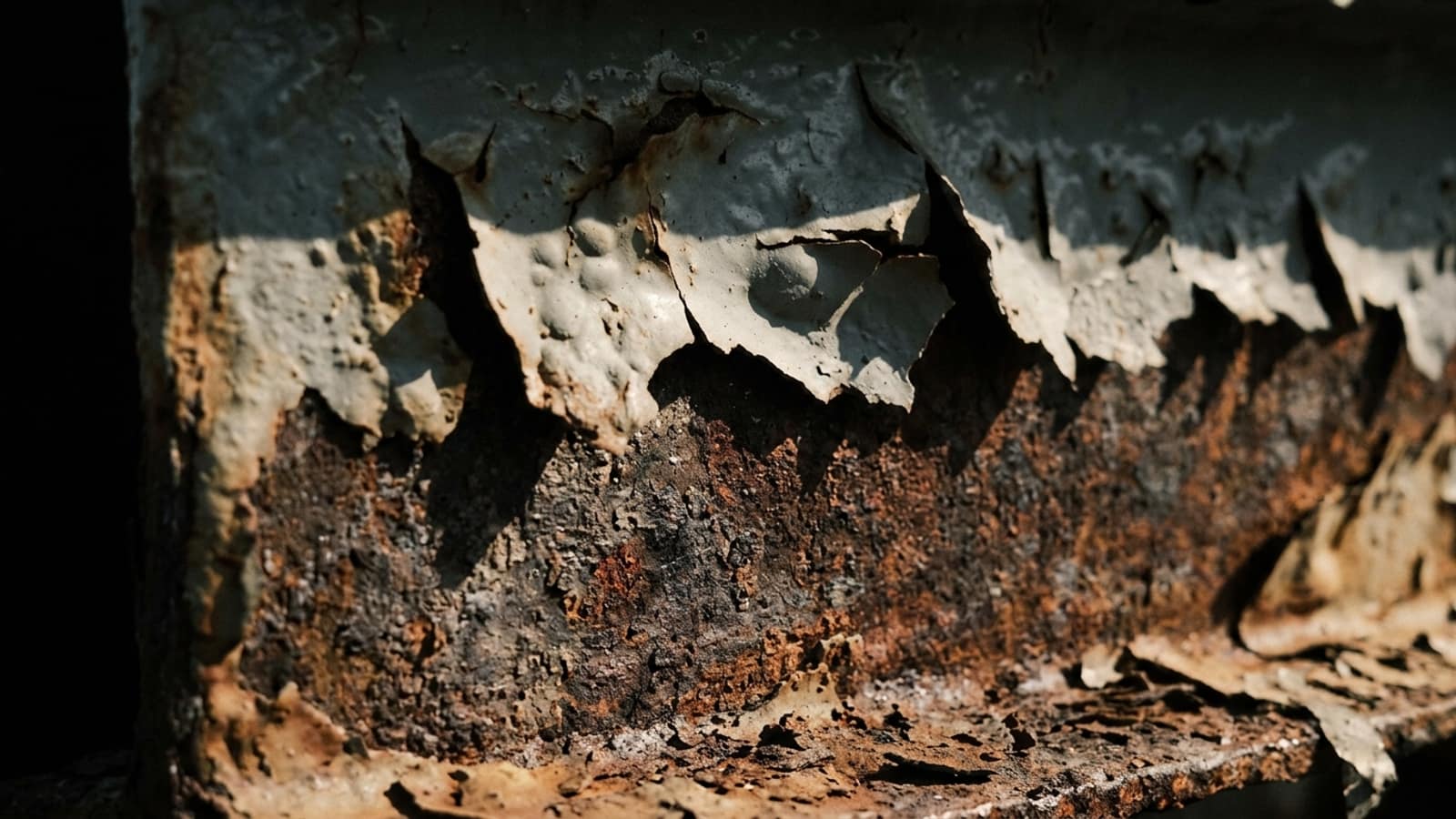
Paint blistering and peeling from steelwork in a coastal environment, with corrosion spreading underneath
Ahmet Toka

What to Consider When Choosing Industrial Paint

Choosing industrial paint: surface preparation, corrosivity category, single versus two-component systems, film thickness and application conditions.

Read More

Tips and Guides

What to know before you decide.

A single clean, reflective streak wiped through the traffic soil dulling a coated floor
Ahmet Toka

How Is Floor Coating Maintenance Done?

Correct cleaning, pH selection, tracking wear points and repair timing for epoxy, polyurethane and polished concrete floors.

Read More
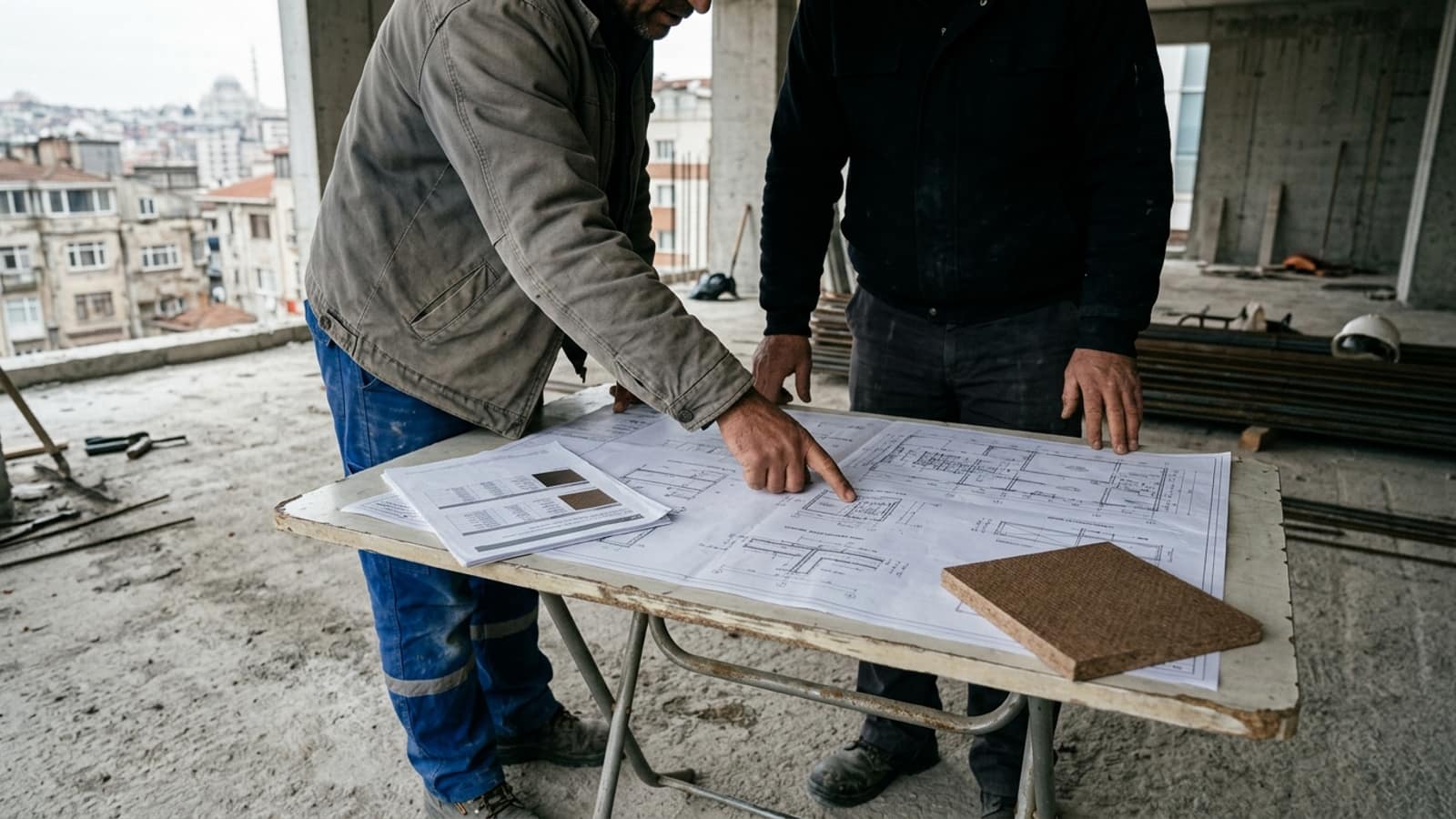
An on-site meeting over a technical drawing and a material sample at the project table
Ahmet Toka

How to Choose the Right Contractor for Waterproofing and Strengthening

Comparing quotations, verifying references, contract clauses and warranties: a practical checklist for choosing the right contractor.

Read More
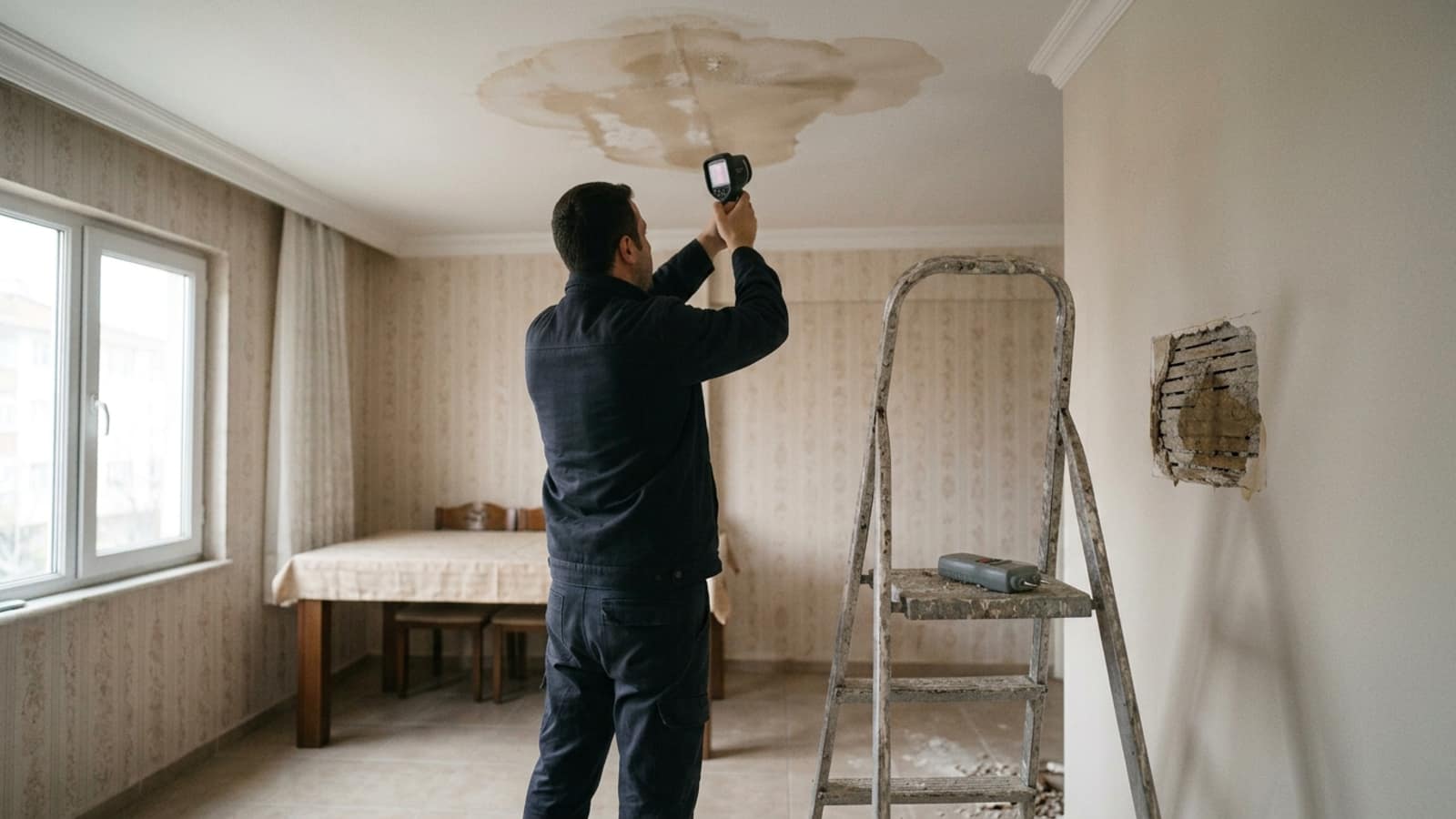
A ceiling water stain in a home being examined with a thermal imaging camera
Ahmet Toka

How Do You Detect a Water Leak in Your Home?

A guide to finding the source of a damp patch: telling leaks, condensation and plumbing faults apart, simple tests and the order of intervention.

Read More

Industry News

Developments in materials, methods and regulations.
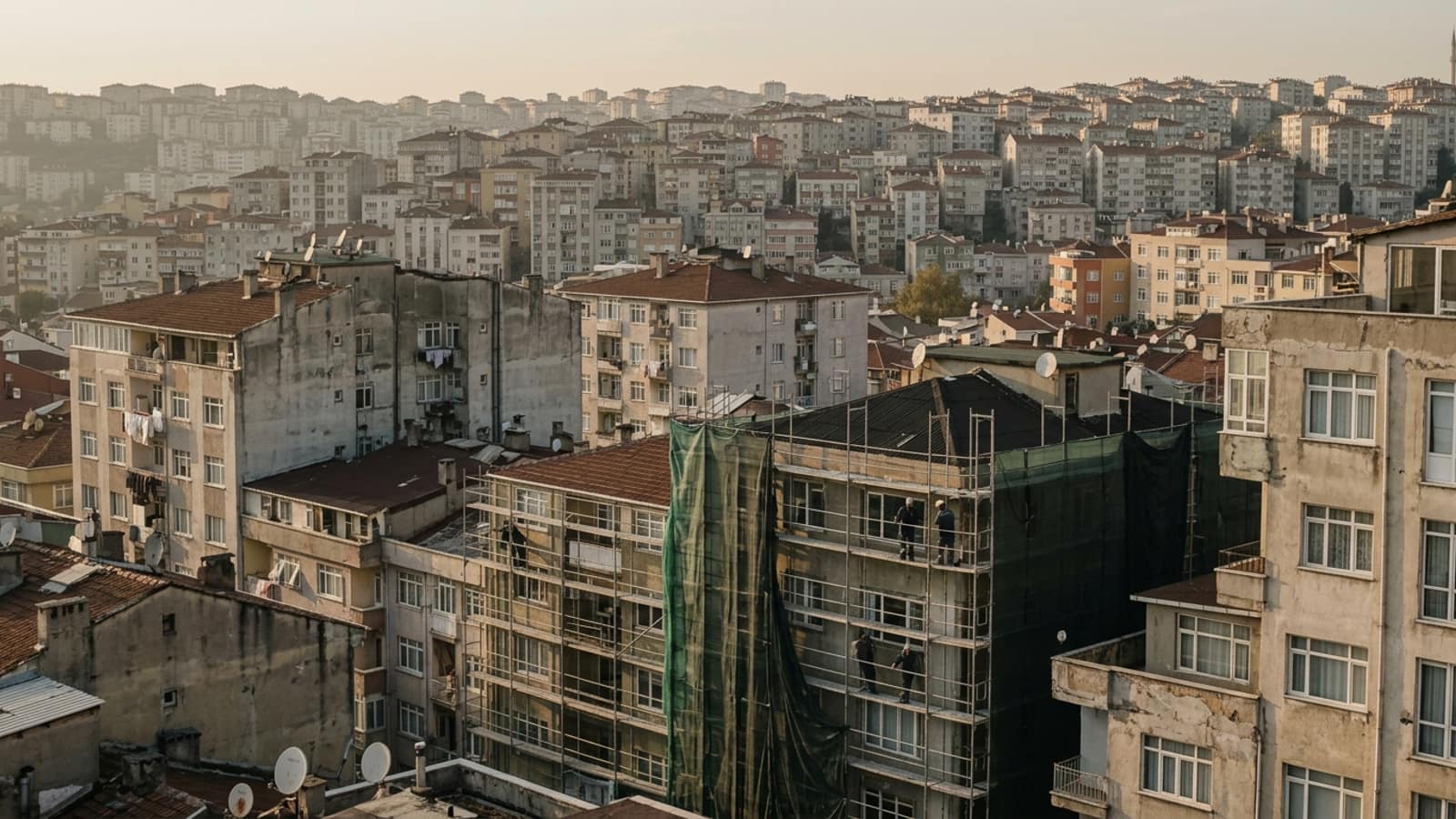
Dense residential fabric in Istanbul; one of the buildings in the middle is wrapped in renovation netting
Ahmet Toka

Shifting Priorities and Expectations in the Construction Sector

Post-earthquake strengthening demand, renewal of the existing building stock, rising documentation expectations and skilled labour: the themes shaping the sector.

Read More
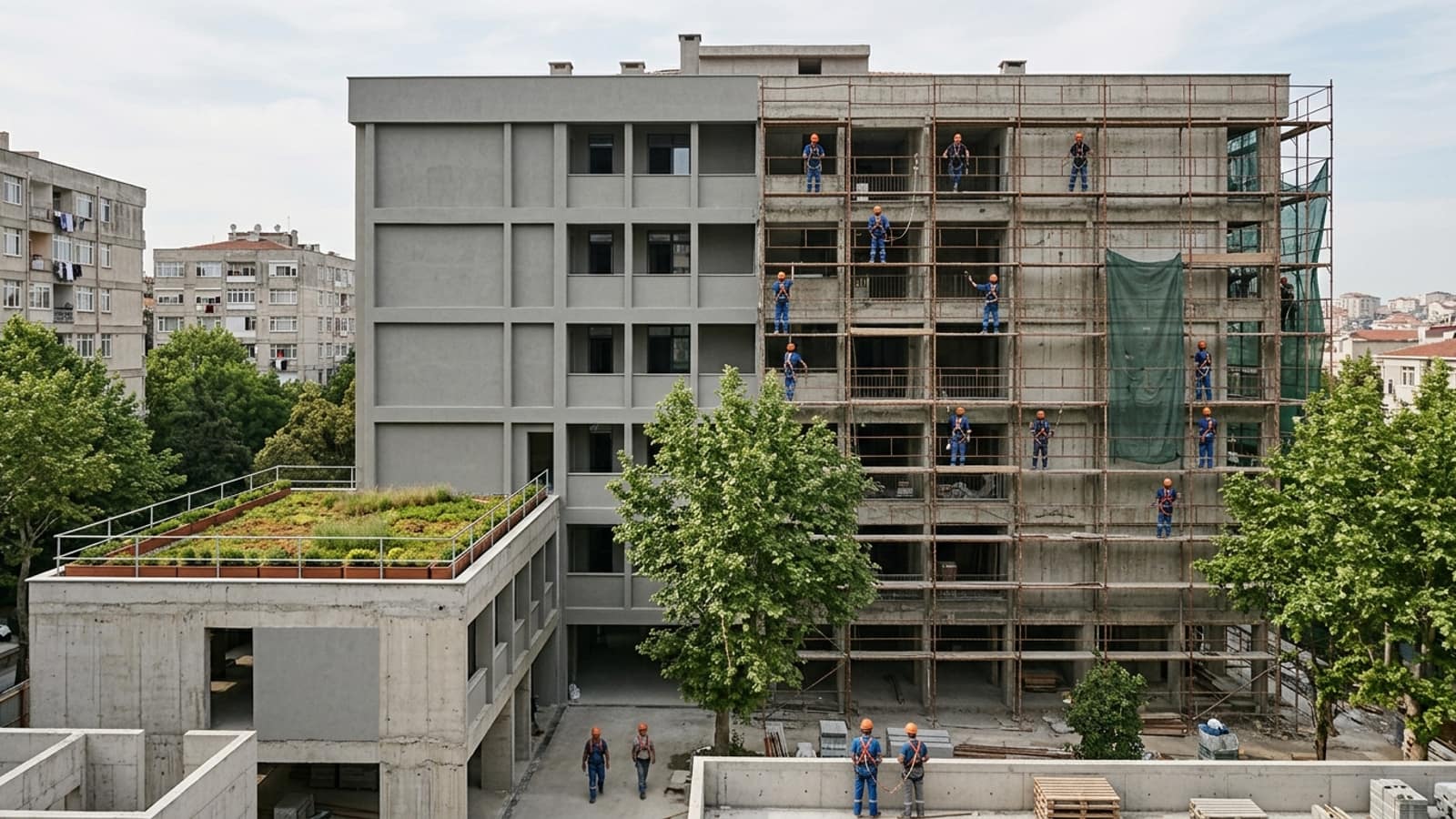
An existing building being renovated under scaffolding instead of demolished, with a green roof on its lower wing
Ahmet Toka

Environmentally Friendly Approaches in Construction Materials

Low-VOC products, repair that preserves the existing structure, long service life and less demolition: ways to reduce environmental impact in waterproofing and coatings.

Read More
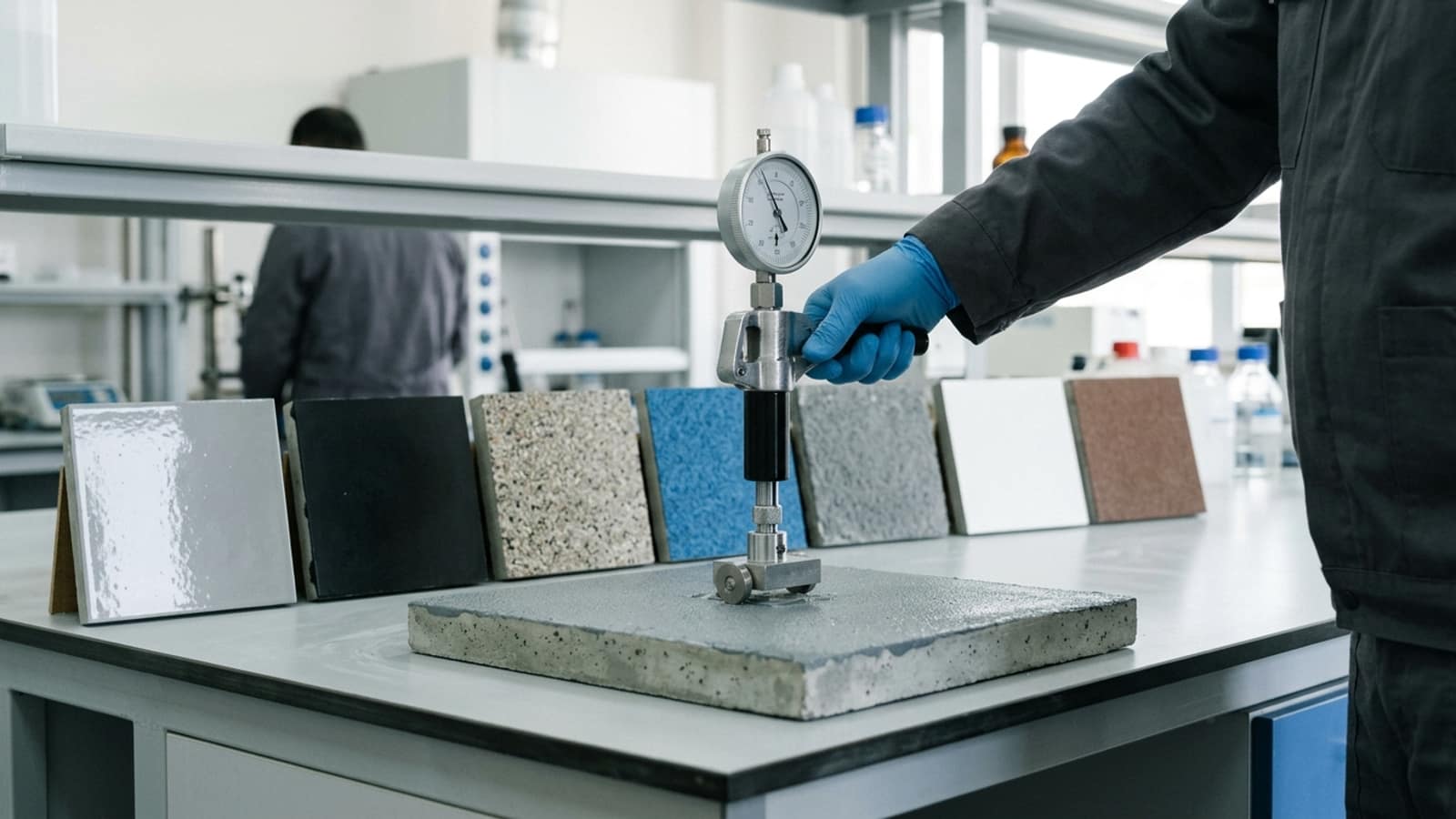
An adhesion pull-off tester fitted to a coating sample in a laboratory, with panels of different finishes lined up behind it
Ahmet Toka

Recent Developments in Waterproofing and Flooring Technologies

Crystalline systems, fast-curing coatings, non-destructive detection and digital site records: developments already in use on site.

Read More