On a floor, the most expensive maintenance is the maintenance never carried out. If a small worn spot is not repaired in time, that area is completely renewed a few months later.

The life of a floor coating is not determined on the day it is applied; it is determined a little more with every day that follows. A well-applied coating can age early with the wrong maintenance, while an average coating can serve longer than expected with the right care.
In this article we explain the correct cleaning method for each type of coating, which chemicals cause damage, where wear starts and at what point repair should come into play. At the end you will find a maintenance calendar showing weekly, monthly and annual tasks.

On a floor, the most expensive maintenance is the maintenance never carried out. If a small worn spot is not repaired in time, that area is completely renewed a few months later.
Ahmet Toka, General Manager
Not every coating tolerates the same cleaning. The distinctions below are for the systems most commonly encountered.
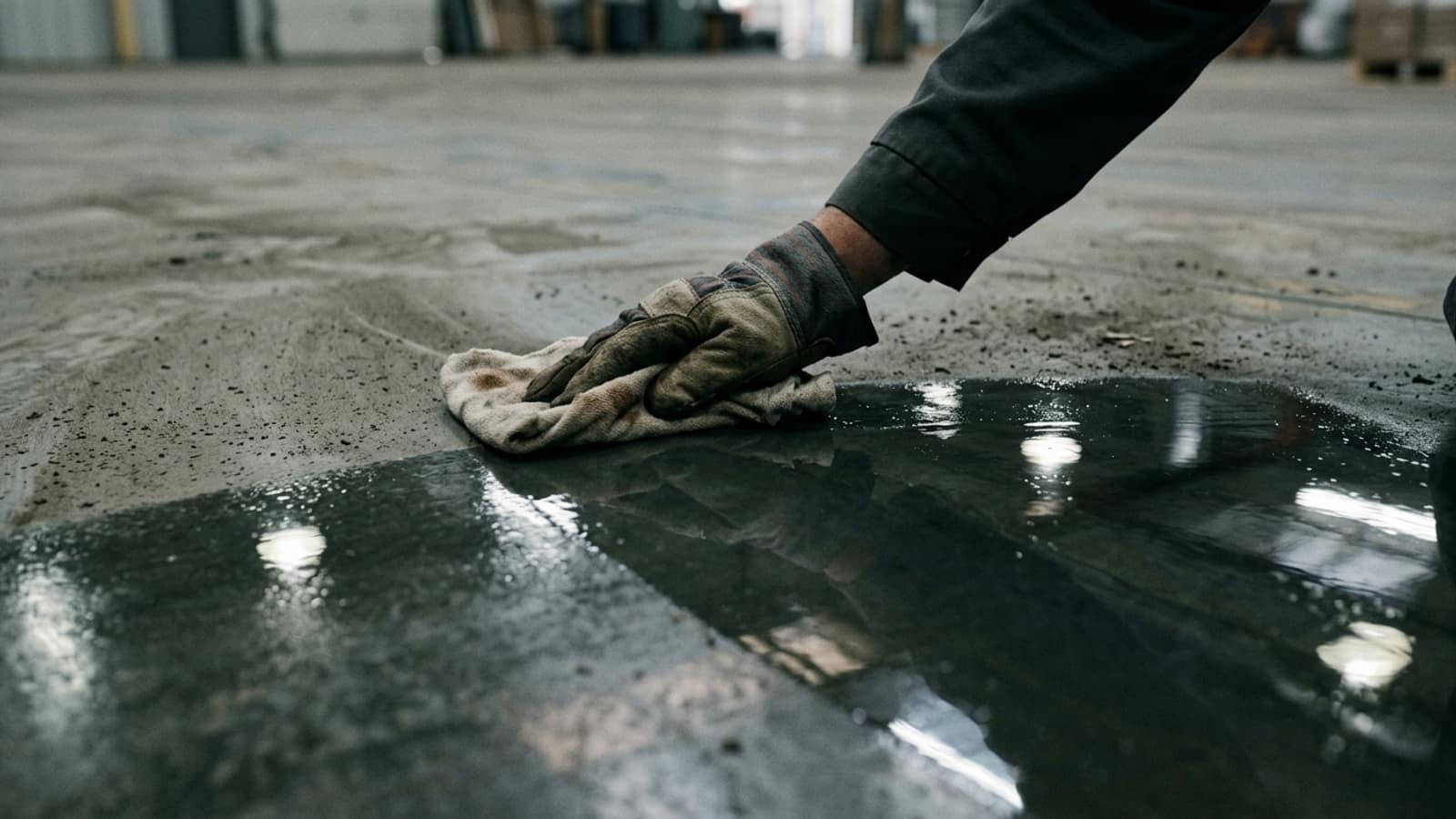
Cleaned with neutral or mildly alkaline cleaners using warm water. Abrasive scouring pads and wire brushes must be avoided; they scratch and dull the surface. Hot water and steam cleaning are not recommended. For tyre marks, special cleaners suitable for the coating are used; solvent-based products can soften the surface. Details: epoxy floor coating.
Their chemical and temperature tolerance is higher; in food plants they can be washed with hot water and suitable chemicals. Even so, the pH and temperature limits given by the manufacturer must be observed. On textured surfaces, using a scrubbing machine is significantly more effective than a flat mop; the dirt between the texture only comes out with mechanical action. Details: polyurethane floor coating.
One of the easiest systems to maintain. A neutral-pH cleaner and regular mechanical cleaning are sufficient. Acidic products must never be used; they break down the silicate structure at the surface and cause a permanent loss of gloss. When the gloss diminishes over time it can be recovered by re-polishing. Details: floor polishing and dust-proofing.
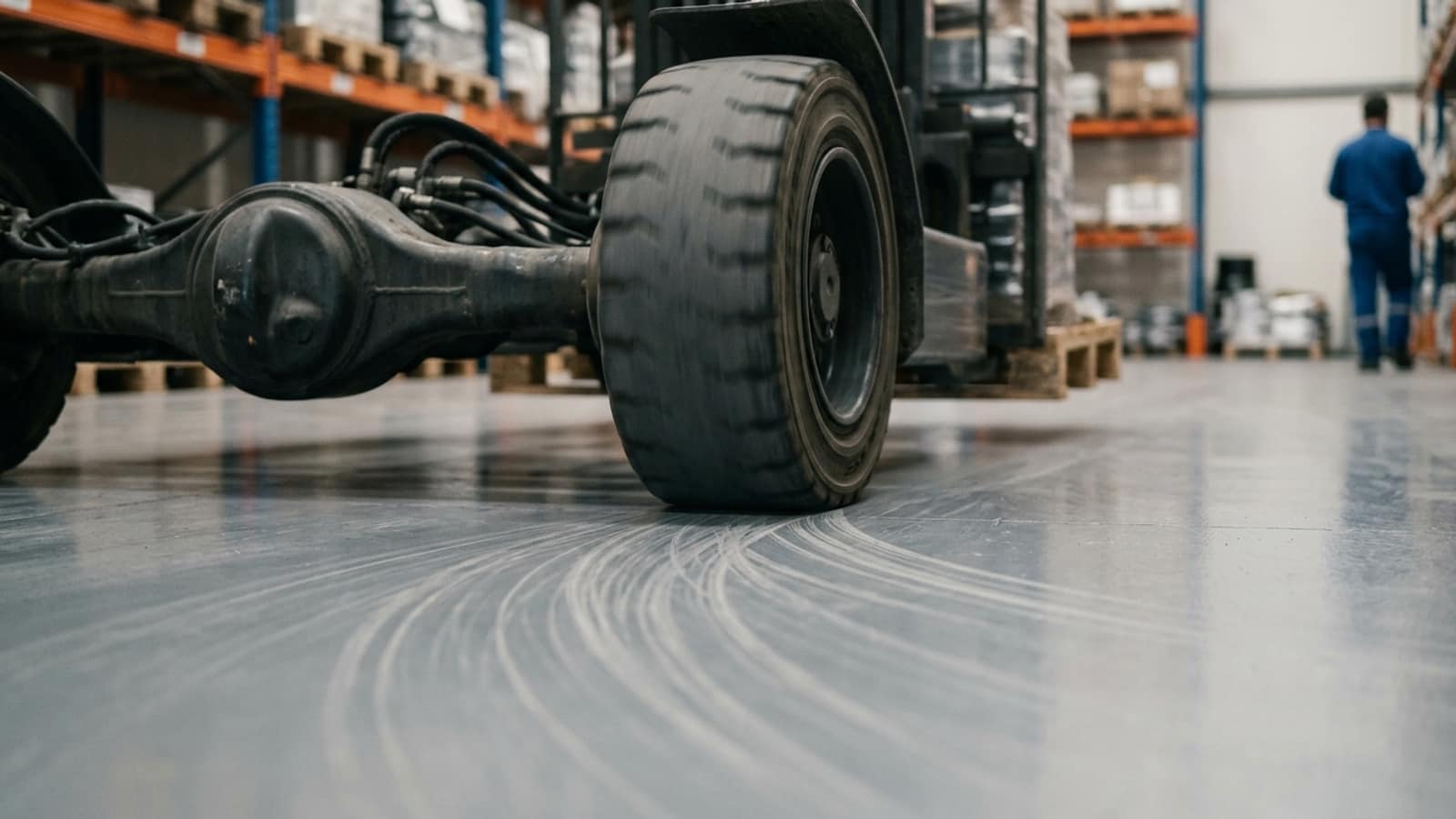
On a floor, wear is never evenly distributed. When inspecting, look directly at the following points:
The first signs of wear seen at these points (loss of colour, loss of texture, edge breakout) can be remedied with small interventions; if postponed, the whole area is affected.
The most common thought that delays the decision to repair is "there is no big problem yet". Yet damage in a coating does not progress in a straight line; once the surface is breached, the concrete beneath begins to be affected directly and it accelerates from that point.
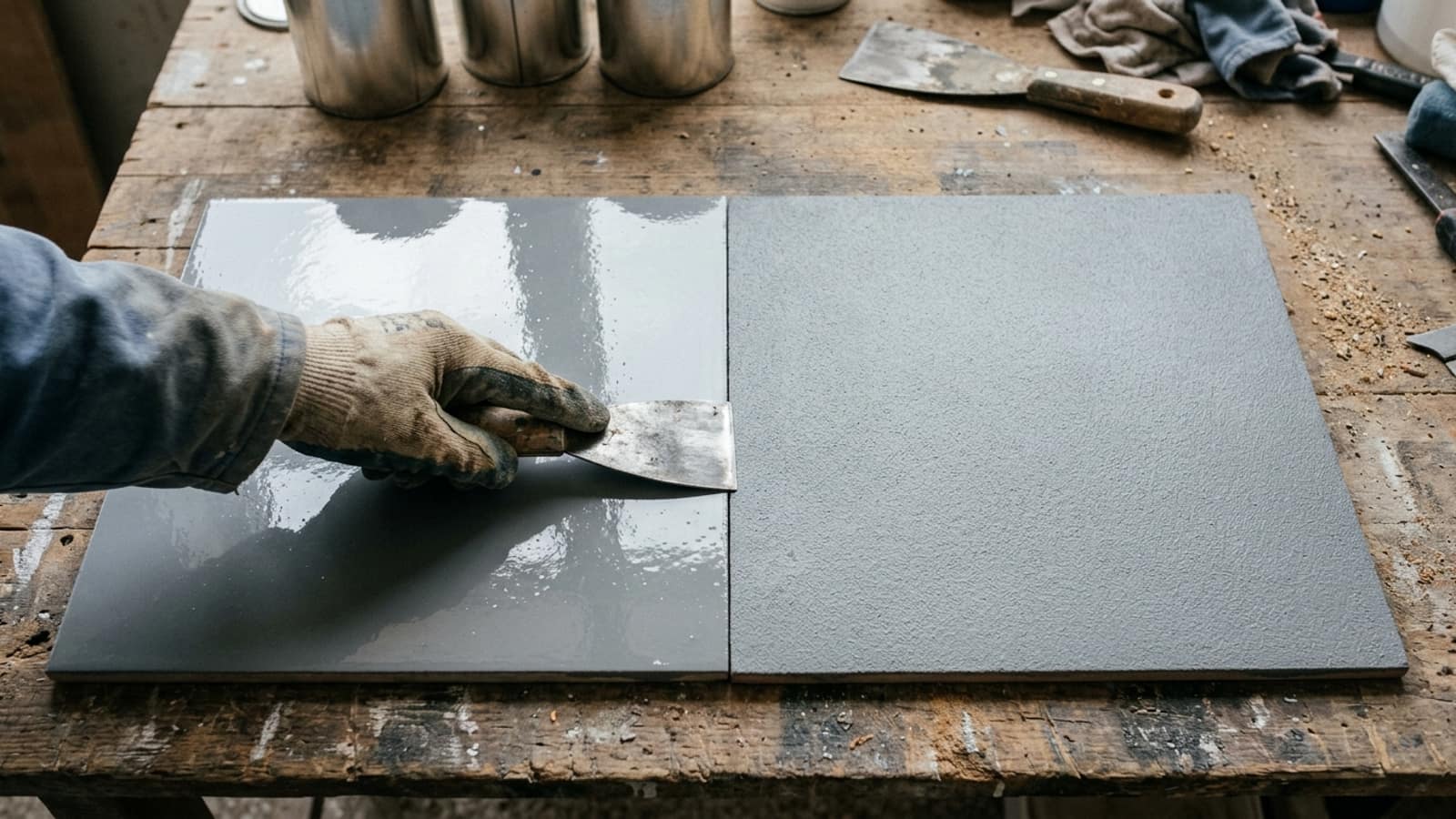
In spot repairs the new layer must be compatible with the existing coating; otherwise the repair patch itself becomes a weak point. If there is damage in the substrate, first concrete repair must be carried out.
Daily / weekly
Monthly
Annual
For floor systems as a whole see floor coating applications page.
Protect your structures against external factors with floor coating applications from Likit İzolasyon. Discover our solutions offering hygiene, durability and aesthetics!
Service details →Achieve durable and attractive concrete floors with floor polishing and dust-proofing applications. Give your buildings a long life with the professional solutions of Likit İzolasyon!
Service details →Bring durability and good looks together with epoxy floor coating. Discover the self-levelling, antistatic and decorative epoxy solutions of Likit İzolasyon!
Service details →Make your surfaces durable and attractive with joint sealing applications. Achieve long-lasting results with the professional joint sealing solutions of Likit İzolasyon!
Service details →With a neutral or mildly alkaline cleaner and warm water. Abrasive pads, wire brushes and the use of hot water or steam must be avoided. Regular sweeping is more important than chemical cleaning, because what really wears the surface is the sand and dust on the floor.
With tyre mark removers specially developed and compatible with the coating. Solvent-based general-purpose products can soften and dull the surface. They should not be applied to the whole floor without a trial on a small area.
Superficial scratches are an aesthetic problem and show that the protective topcoat is wearing. If the coating is not breached it is not urgent; but a topcoat renewal should be planned. If the scratches go all the way down to the concrete, a spot repair should be carried out without delay.
If the lifting area is limited and the adhesion of the coating around it is sound, a partial repair can be made. But if the lifting is widespread, there is a systemic problem underneath caused by moisture or surface preparation; in that case a spot repair will not be permanent.
A comprehensive inspection once a year is sufficient for most facilities. In facilities with heavy traffic and high chemical exposure, a six-monthly inspection is recommended. The inspection maps the points of wear and produces the maintenance plan for the coming period.
Share in writing which chemical is to be used, the correct dilution ratio, which pads and brushes are suitable and which products must never be used. A significant proportion of coating damage arises from well-intentioned but incorrect cleaning.
With over 25 years of field experience, let us determine the right solution for your building together. Contact us for a survey and quotation.
Over 25 years of field experience in waterproofing, floor coatings and structural strengthening. This article is based on applications encountered on site and the standards currently in force.