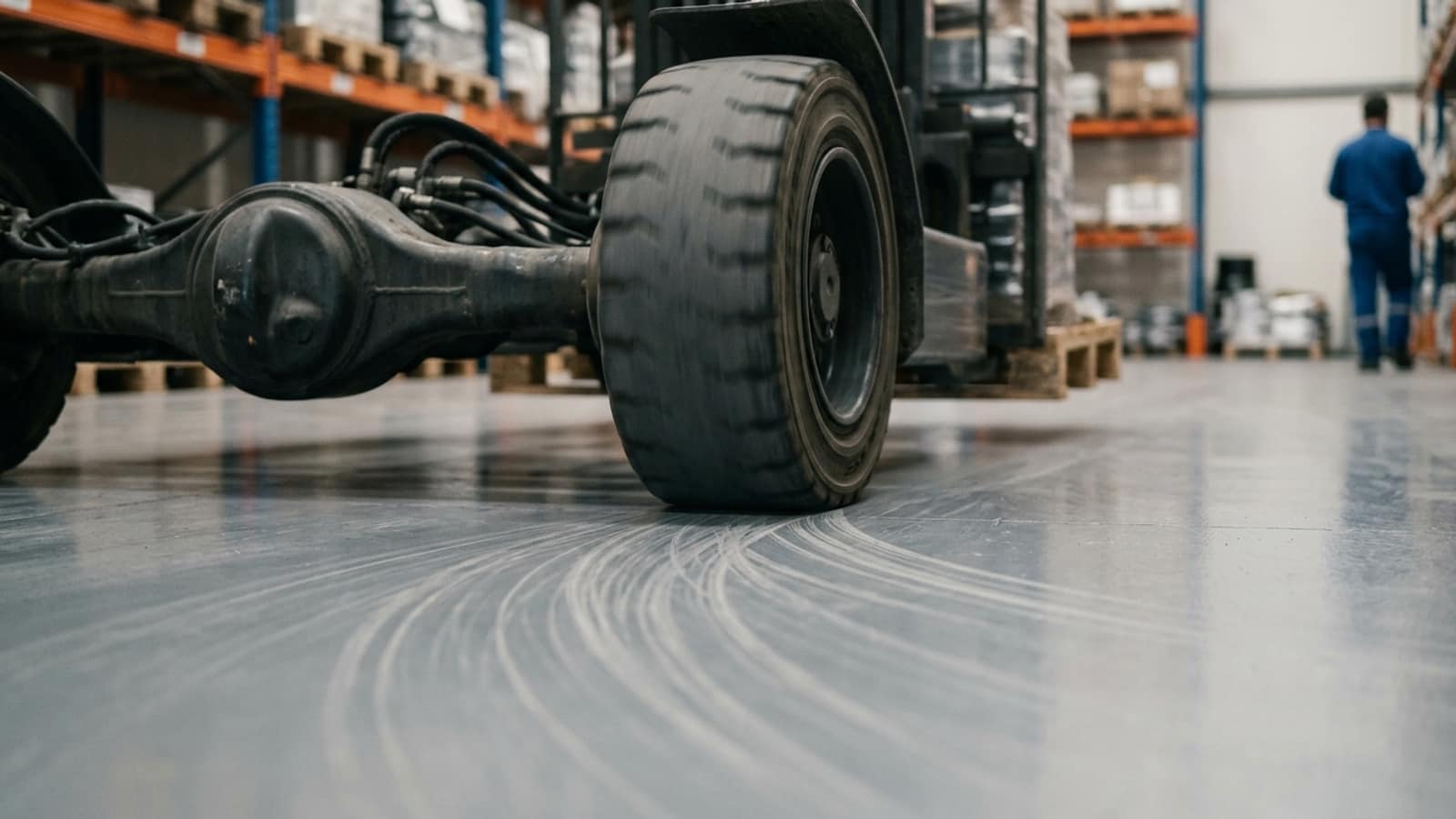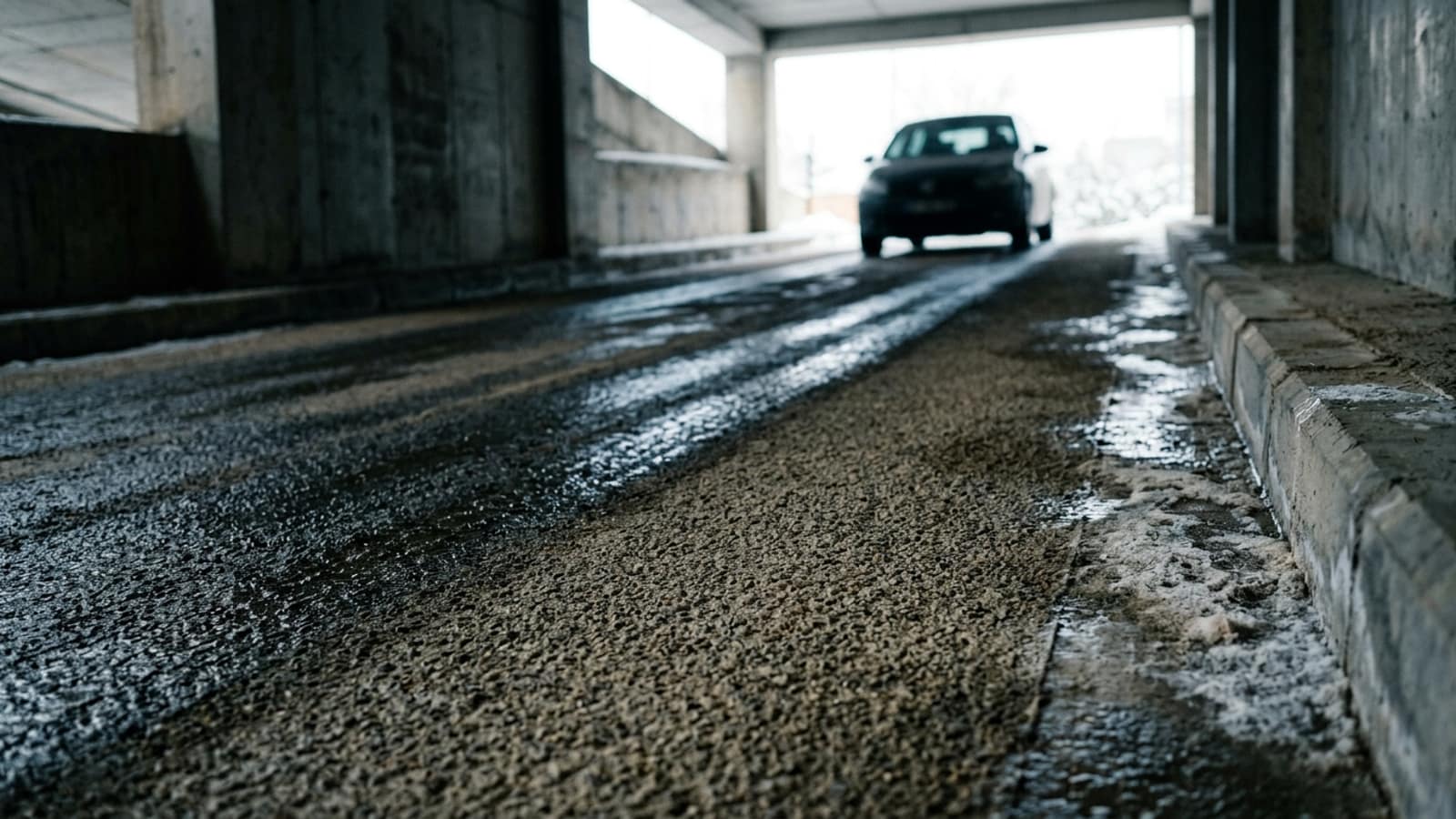
Epoxy is hard and has high bond strength; polyurethane is flexible and durable. Will your floor carry load or move — the answer determines the choice.

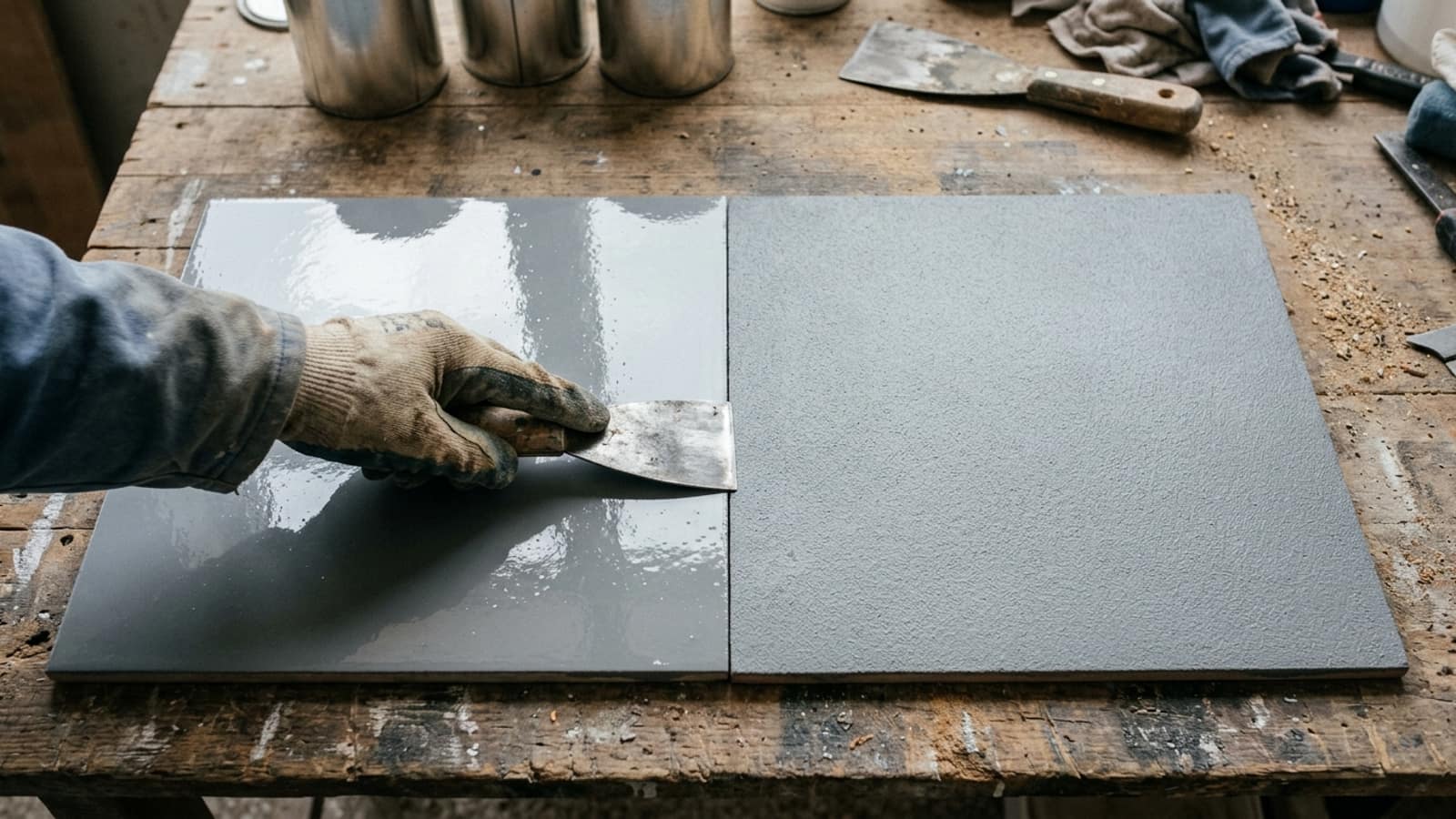
This is the most frequently asked question in industrial floor coating: epoxy or polyurethane? Both are resin-based, both are seamless and hygienic, and both last for years when correctly applied. But they behave markedly differently, and that difference shows up within a few years when the wrong choice is made in the wrong facility.
In this article we compare the two in terms of hardness, flexibility, UV and temperature resistance, chemical resistance and application conditions. At the end you will find a list of recommendations by facility type and a checklist of the right questions to ask.

Epoxy is hard and has high bond strength; polyurethane is flexible and durable. Will your floor carry load or move — the answer determines the choice.
Ahmet Toka, General Manager
The character of the two systems can be summed up on a single axis. Epoxy is hard: it gives high compressive strength, excellent adhesion and a rigid surface. Polyurethane is flexible: it absorbs impact and surface movement and tolerates thermal shock.
In practice this difference means the following: if you want a surface that will not be crushed under heavy racking feet and forklift wheels, epoxy is strong. If vibration, temperature differences or hairline crack movement in the concrete beneath are expected, polyurethane follows that movement, whereas epoxy reflects the same crack through to its surface.
Hardness may look like an advantage, but it is not always so. A rigid coating cannot accommodate movement in the floor beneath it. This is why the "harder is better" approach is one of the most widespread misconceptions in floor coating.
| Criterion | Epoxy | Polyurethane |
|---|---|---|
| Hardness / compressive strength | High | Medium–high |
| Flexibility / crack bridging | Low | High |
| Impact resistance | Medium | High |
| Abrasion resistance | High | High |
| UV resistance (yellowing) | Poor | Good (aliphatic type) |
| Temperature / thermal shock | Limited | High |
| Acid resistance | Medium | High |
| Solvent resistance | High | Medium |
| Bond strength | Very high | High |
| Moisture tolerance (application) | Low | Low |
| Cost | Lower | Higher |
The two most critical rows in the table are UV and thermal shock. Epoxy yellows in sunlight; this is a visual change rather than a loss of performance, but it is a problem in showrooms and exhibition areas where appearance matters. Thermal shock is decisive in food plants: on a floor washed with hot water, an epoxy layer can lift because it expands differently from the concrete.
The list below gives a direct recommendation for the uses we encounter most often on site.
The great majority of coating failures we see on site are caused not by the wrong choice of resin but by surface preparation This applies equally to epoxy and to polyurethane.
For an overview see floor coating applications page.
The answers to these seven questions largely determine the epoxy–polyurethane choice by themselves. If the answers conflict (for example, both high load and thermal shock), a layered solution or hybrid systems such as polyurethane concrete are considered instead of a single system.
Bring durability and good looks together with epoxy floor coating. Discover the self-levelling, antistatic and decorative epoxy solutions of Likit İzolasyon!
Service details →Bring chemical resistance, hygiene and good looks together with polyurethane floor coating. Discover the self-levelling, matt and antistatic coating solutions of Likit İzolasyon!
Service details →Achieve hygienic, long-lasting floor solutions with high chemical and mechanical resistance using polyurethane concrete flooring. Discover the dependable services of Likit İzolasyon!
Service details →Protect your structures against external factors with floor coating applications from Likit İzolasyon. Discover our solutions offering hygiene, durability and aesthetics!
Service details →The chemical structure of epoxy resin is not resistant to UV radiation; on surfaces exposed to sunlight, yellowing and loss of gloss appear over time. This does not mean the mechanical performance has ended, but the appearance deteriorates. Where appearance matters, an aliphatic polyurethane top coat is applied.
If the existing coating is sound, clean and its adhesion has been measured, it can be applied with a suitable primer. However, if the bond strength of the old coating is weak, the new layer will lift with it. In most cases it is safer to remove the old coating by mechanical surface preparation.
Used in the right place, both are long-lasting. The main factor determining service life is not the class of resin but surface preparation, thickness and correctly anticipating the conditions of use. A system used in the wrong facility ends early, however high its quality.
Its raw material cost is higher and its application conditions (humidity, temperature) are narrower, which makes labour planning harder. On the other hand, where thermal shock and UV resistance are required, the total cost of ownership can reverse once the cost of renewing epoxy early is taken into account.
It depends on the load in use. Thin-film systems are sufficient for light pedestrian traffic, while warehouses with forklift traffic require self-levelling or mortar systems a few millimetres thick. Thickness should be calculated from the expected mechanical load and abrasion.
The cause of the crack must be identified first. Non-moving shrinkage cracks can be filled with resin and coated over. Moving cracks, however, are reflected through the coating; in those areas either an elastic system is chosen or the crack is treated as a joint and carried through the coating.
With over 25 years of field experience, let us determine the right solution for your building together. Contact us for a survey and quotation.
Over 25 years of field experience in waterproofing, floor coatings and structural strengthening. This article is based on applications encountered on site and the standards currently in force.