A line paint must be a relative of the coating beneath it. When acrylic is applied to an epoxy floor, or a paint with aggressive solvents to an acrylic floor, the problem arises not from the quality of the paint but from the incompatibility.

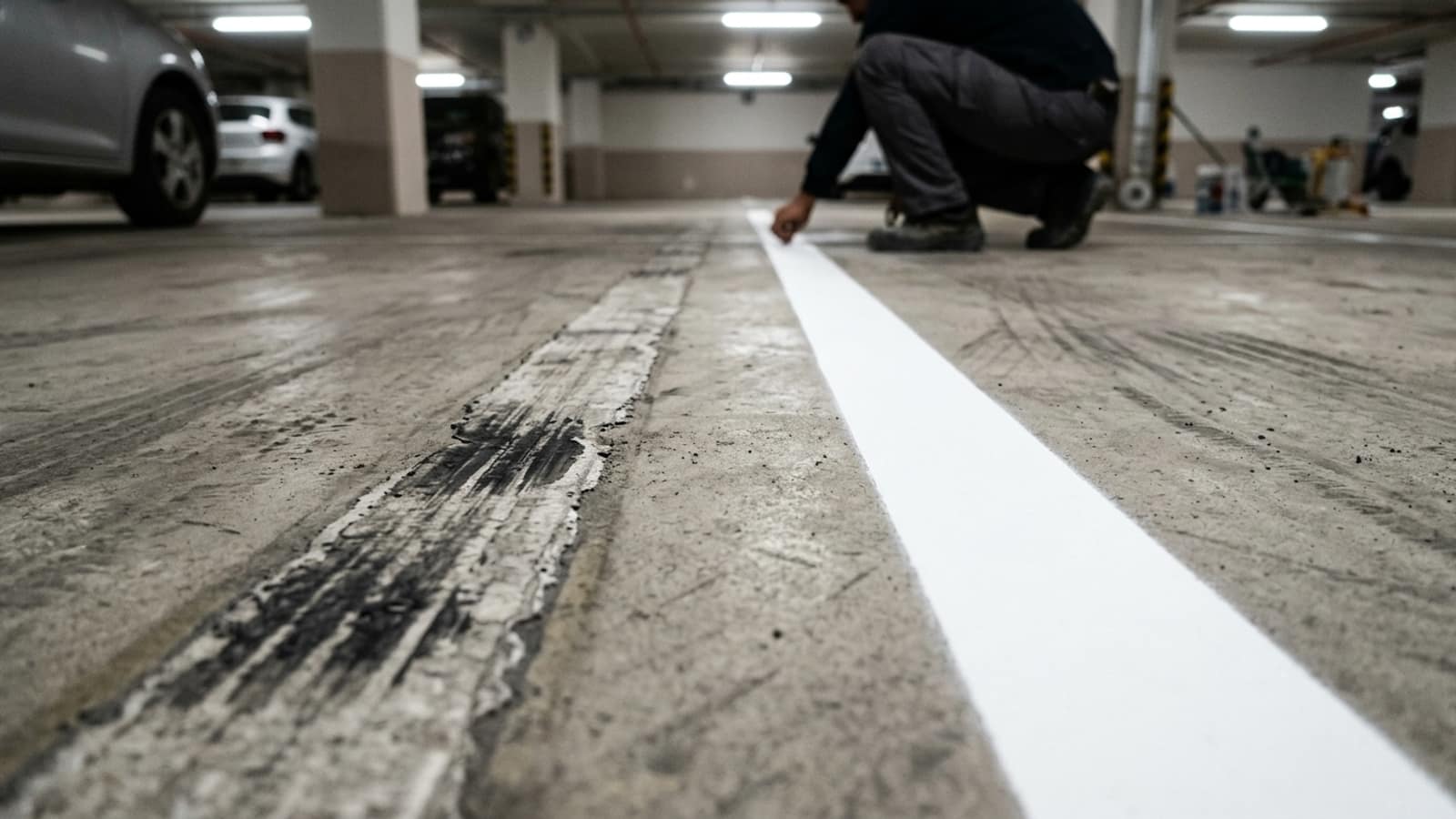
A car park line pleases everyone on the day it is applied. The real question arises six months later: is the line still legible, are its edges sharp, has it disappeared among the tyre marks? What makes that difference is not the colour of the paint but how well it was chosen to suit the floor type, the traffic and the application conditions.
In this article we address the choice of line paint on three axes: compatibility with the floor, traffic intensity and the application windowWe then move on to planning, slip resistance and maintenance.

A line paint must be a relative of the coating beneath it. When acrylic is applied to an epoxy floor, or a paint with aggressive solvents to an acrylic floor, the problem arises not from the quality of the paint but from the incompatibility.
Ahmet Toka, General Manager
The first question in choosing a line paint should not be "which paint is good?" but "what is underneath?". The floor type directly determines which product family can be used.
For floor systems as a whole see floor coating applications page.
| Criterion | Acrylic (water-based) | Epoxy / polyurethane | Thermoplastic |
|---|---|---|---|
| Drying / opening to traffic | Fast | Slow (curing required) | Very fast |
| Abrasion resistance | Medium | High | Very high |
| Chemical resistance | Low | High | Medium |
| Coating compatibility | Concrete, asphalt | Resin-coated floors | Asphalt, concrete (primed) |
| Edge sharpness | Good | Very good | Good |
| Equipment | Simple | Simple | Heated kettle |
| Unit cost | Low | Medium | High |
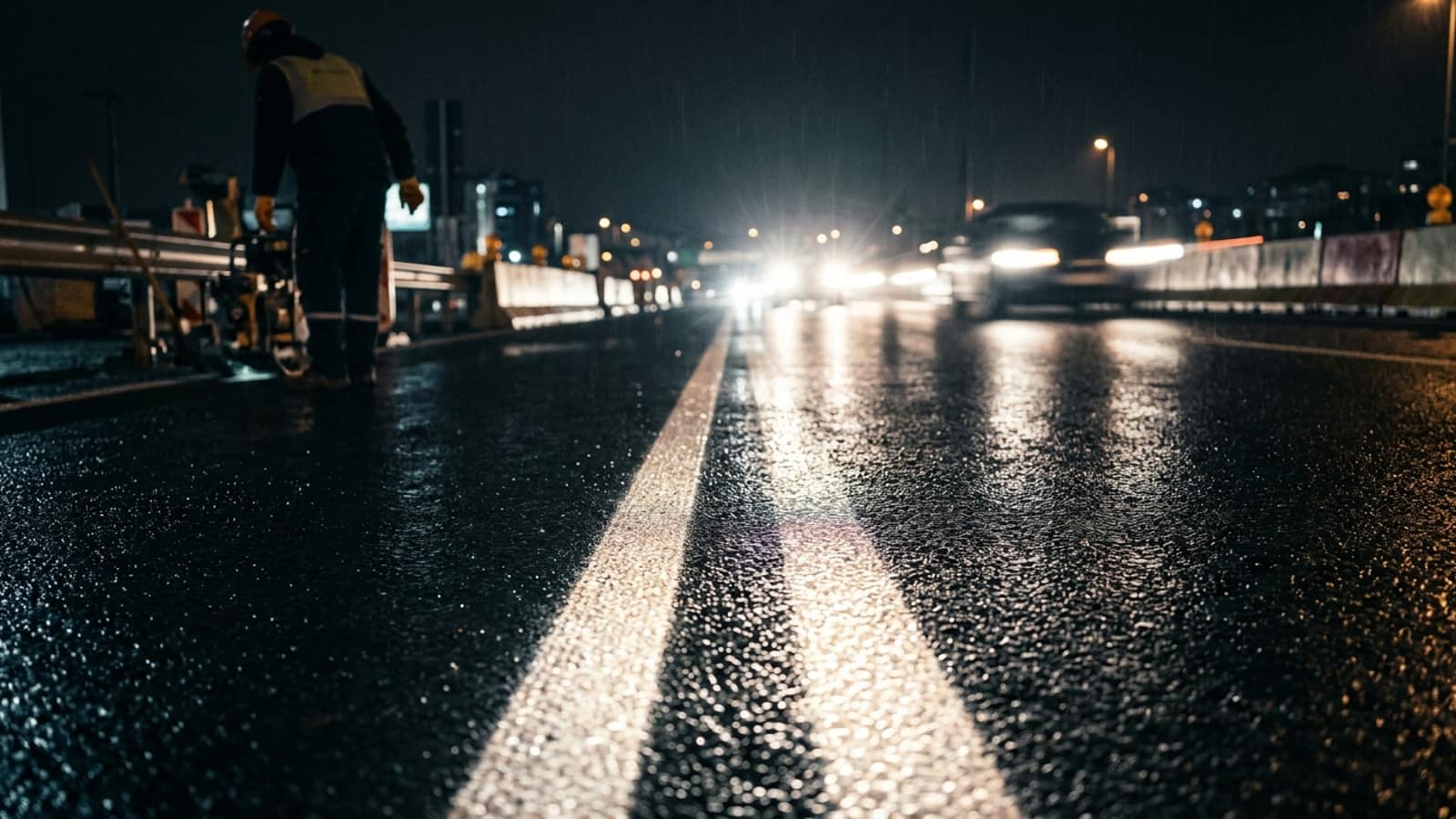
The practical rule: epoxy/polyurethane in an enclosed car park, acrylic in open areas and on asphalt, thermoplastic on heavily trafficked routes and pedestrian crossingsFor details see car park road markings and thermoplastic paint pages.
Good marking is resolved on paper before any painting. Changing it after painting is both costly and leaves marks on the floor.
Line paints create a surface smoother than the floor. When wet, this creates a slip risk, particularly on large painted areas such as ramps and pedestrian crossings. Adding anti-slip aggregate to the paint in these areas is necessary for safety.
On the maintenance side, the most practical approach is to establish a regular inspection rhythm. Wear is not equal everywhere: entry and exit mouths, ramps, turning points and pedestrian crossings wear far faster than other areas. Reviewing these points once a year and carrying out spot renewal postpones the need to renew the whole car park at once.
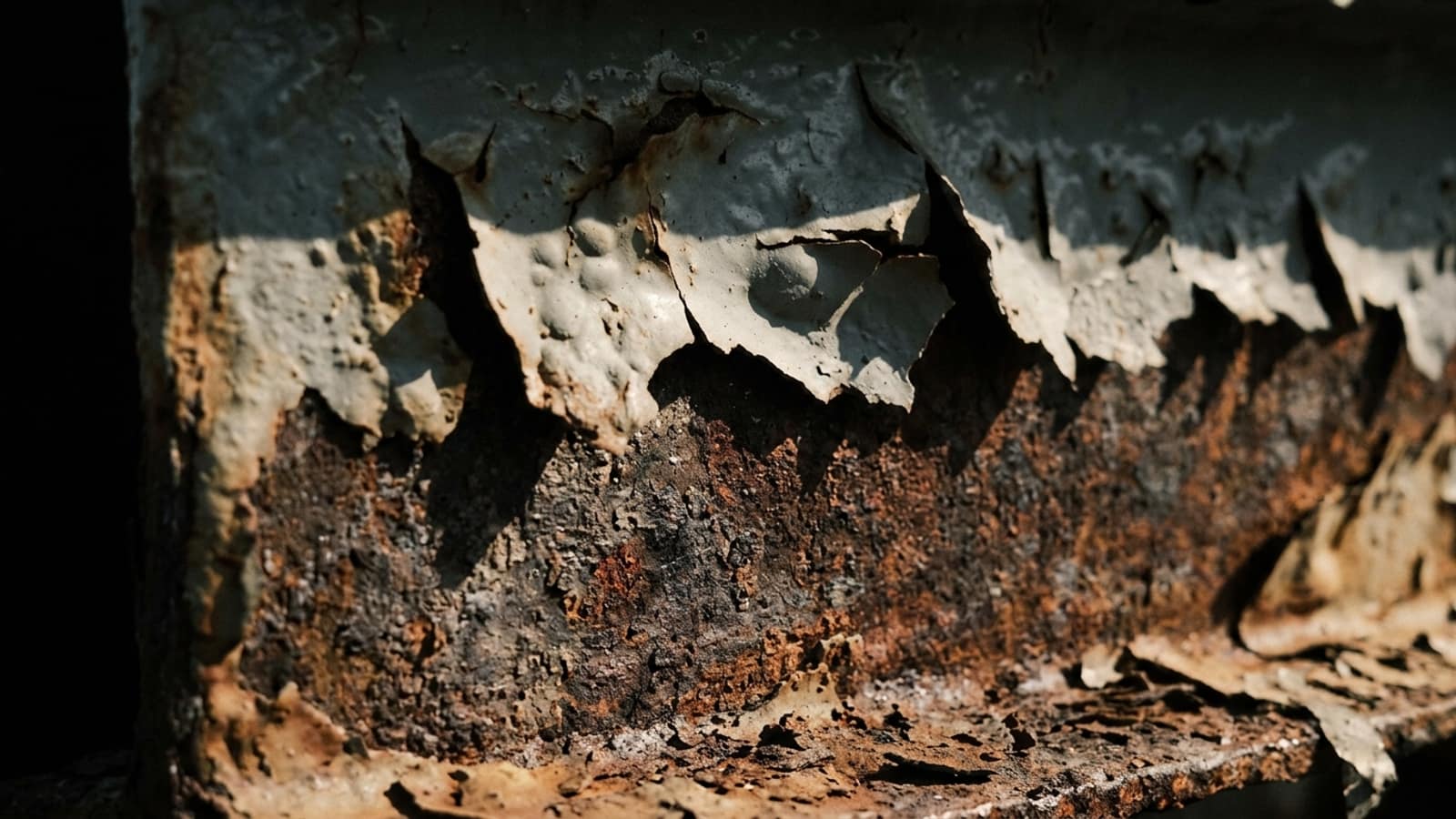
During renewal the condition of the old layer must be assessed. Renewal can be carried out over a sound, thin layer; layers that have built up thickly and blistered must be removed. Otherwise the new paint will lift together with the old layer. For traffic marking as a whole see traffic signs and markings page.
With car park line marking we bring order and safety to your areas. Create functional spaces with the durable and attractive car park solutions of Likit İzolasyon!
Service details →With traffic signs and markings we bring order and safety to your areas. Create safe spaces with the professional traffic marking solutions of Likit İzolasyon!
Service details →Create durable, long-lasting road markings with thermoplastic material. Create safe areas with the professional thermoplastic solutions of Likit İzolasyon!
Service details →With wall and column painting and numbering we bring order, durability and good looks to your spaces. Create functional spaces with the professional solutions of Likit İzolasyon!
Service details →It depends on intensity of use. In a heavily used shopping centre car park, the entry mouths and ramps wear far sooner than the flat parking areas. The general approach is to carry out a visual inspection once a year and apply spot renewal only in the areas that have worn.
It is not recommended. Acrylic paint cannot key sufficiently to a sealed, smooth epoxy surface and lifts along with the tyre marks. On these surfaces an epoxy- or polyurethane-based line paint should be used and the surface lightly abraded if necessary.
Acrylic systems can be opened to pedestrian traffic within a short time. Epoxy and polyurethane systems require curing; the time before opening to vehicle traffic is markedly longer. Thermoplastic, on the other hand, can be opened to traffic within minutes of cooling.
A short waiting period is recommended. Work carried out before the volatile components at the surface of newly laid asphalt have fully dispersed can suffer adhesion problems and staining. The waiting period is determined by the asphalt type and the weather conditions.
Milling, grinding, high-pressure water jetting or sand blasting are used. The method must be chosen so as not to damage the floor beneath. In some cases, instead of removing them completely, covering them in the colour of the floor is preferred; however, this can leave a mark under certain lighting.
Yes; the dimensions, position and use of the symbol are defined by regulation. These bays must also be close to the entrance, have generous manoeuvring space and connect to an access route. Compliance is a matter of positioning as well as paint.
With over 25 years of field experience, let us determine the right solution for your building together. Contact us for a survey and quotation.
Over 25 years of field experience in waterproofing, floor coatings and structural strengthening. This article is based on applications encountered on site and the standards currently in force.