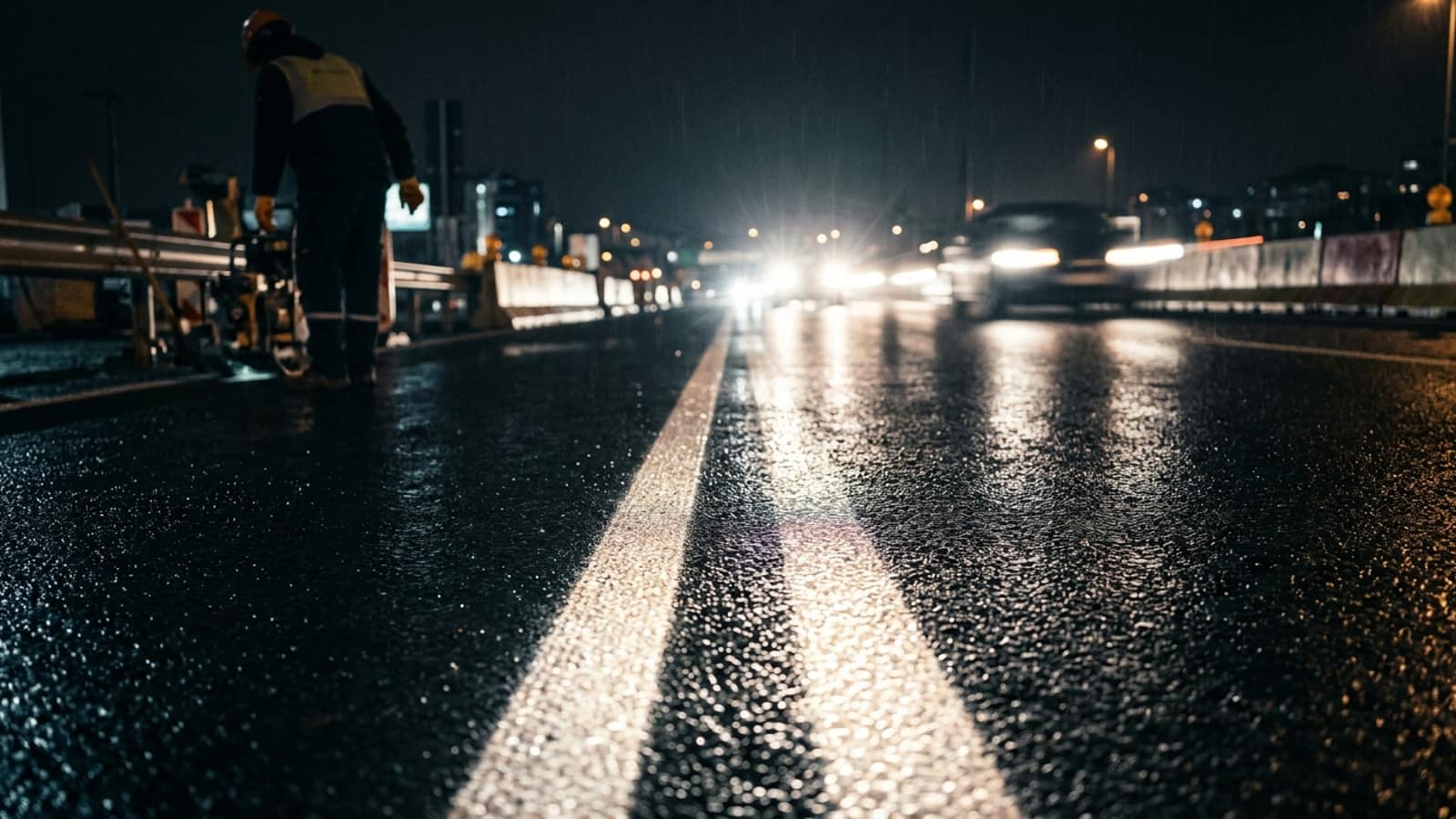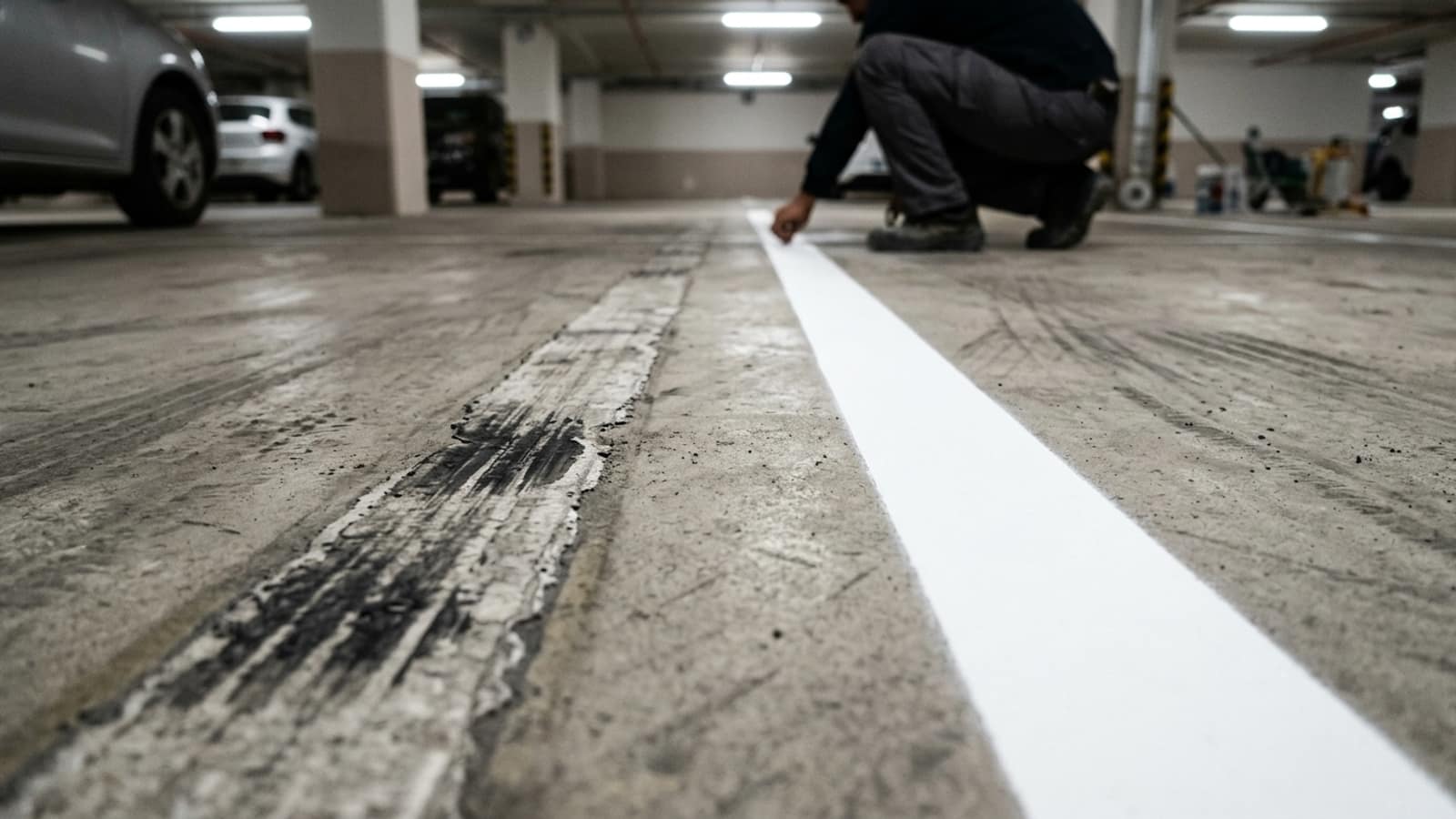
What determines the life of a paint system is not its brand but how the surface beneath it was prepared. The most expensive paint applied without blasting has a shorter life than the cheapest one.

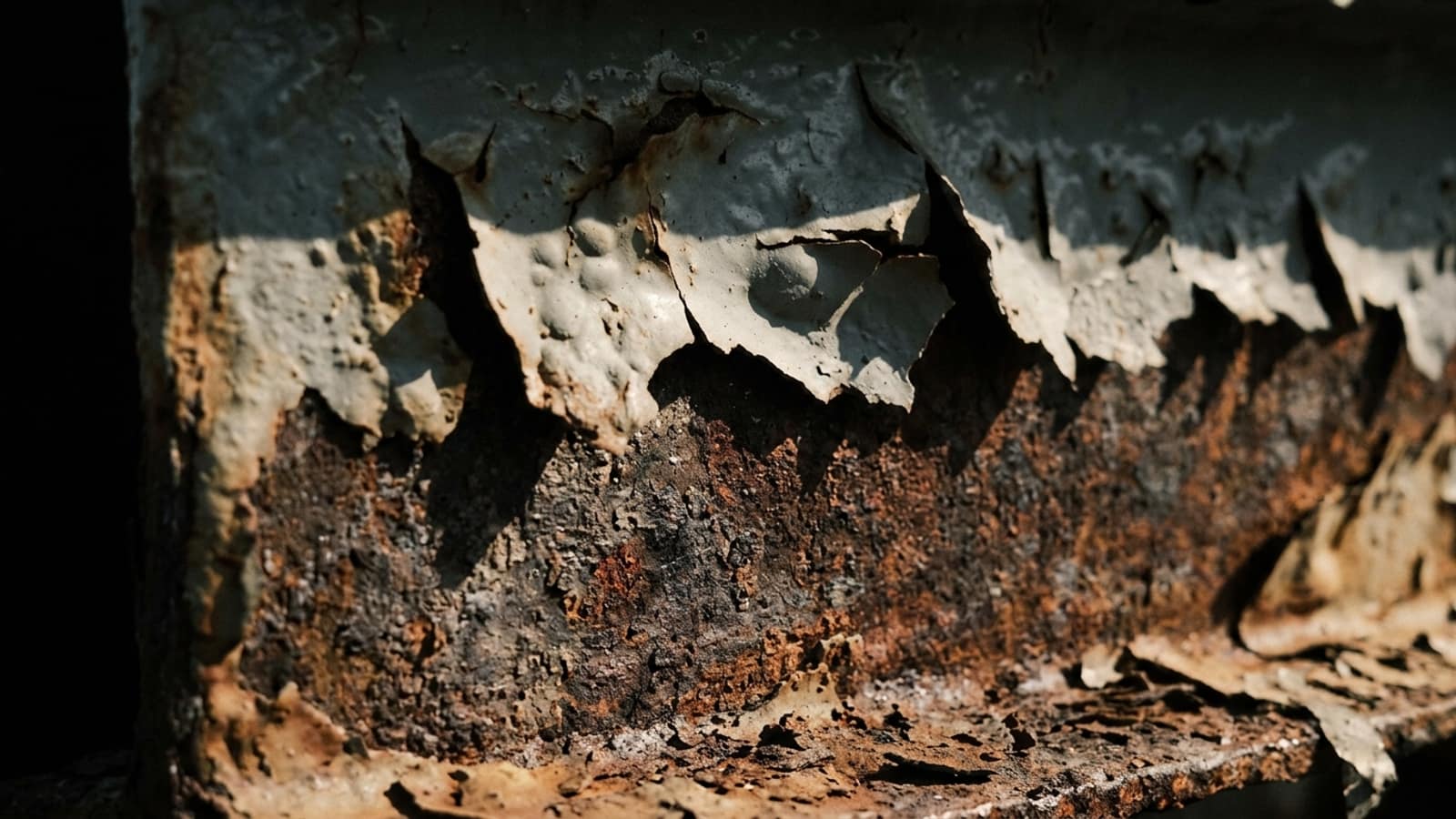
In industrial coating there is no such thing as a "good paint"; there is a "right system". A paint that lasts ten years on a harbour crane is an unnecessary expense in an enclosed production hall; and a paint that is adequate in that hall peels off within a year by the sea.
In this article we turn the choice of paint into a systematic decision: first the corrosivity category of the environment is established, then the surface preparation is planned, and then the coating system and thicknesses are chosen. We also address why surface preparation is the most critical step and what the single/two-component distinction means in practice.

What determines the life of a paint system is not its brand but how the surface beneath it was prepared. The most expensive paint applied without blasting has a shorter life than the cheapest one.
Ahmet Toka, General Manager
The paint system is chosen according to the environment to which the surface being protected is exposed. In industrial practice, environments are classified by the severity of corrosion, and a different coating system and total dry film thickness are specified for each category.
A paint chosen without this classification will be either more expensive than necessary or a system that fails early. For the scope of the work see industrial painting and equipment page.
The decisive majority of paint failures originate in surface preparation. Paint is only as durable as the surface it is bonded to.
On steel surfaces preparation begins with removing existing rust and mill scale. Blasting both cleans the surface and roughens it; that profile allows the primer to key in mechanically. The degree of preparation and the surface profile must be at the level required by the chosen paint system. Cleaning by hand tool is accepted only in low-risk environments and in systems with low expectations.
On concrete surfaces the laitance layer and mould release agent must be removed and the surface opened up to expose its pores. Work does not begin without moisture measurement.
On both surfaces, oil, grease and salt residues must be removed by chemical cleaning; these are not lifted by mechanical preparation and, left beneath the paint, cause blistering.
Industrial paint is not a single product but a system of layers working together. Each layer has a separate job.
Critical rule: The primer, intermediate coat and topcoat must be parts of the same system. Mixing products from different manufacturers creates incompatibility, loss of adhesion and solvent-induced blistering.
This distinction describes two chemically different curing mechanisms and creates marked differences in practice.
| Single-component | Two-component | |
|---|---|---|
| Curing | Evaporation of solvent/water | Chemical reaction |
| Chemical resistance | Limited | High |
| Mechanical strength | Medium | High |
| Ease of application | Easy, no mixing | Ratio and time critical |
| Pot life | Unlimited | Limited |
| Cost | Low | High |
The practical approach: single-component is sufficient in low-risk interiors and for maintenance painting. Where there is chemical exposure, an exterior environment or an expectation of long life, two-component is required. Details: single / two-component paint.
The right product does not deliver the expected performance when applied in the wrong conditions. What must be monitored during application:
The record of these measurements is the evidence that the work was carried out in accordance with the contract and should be in the handover file. For floor applications see floor coatingand for the protection of steel strengthening members see steel strengthening pages.
We make your structures durable and attractive with industrial paint and road marking. Achieve long-lasting results with Likit İzolasyon's professional solutions!
Service details →Achieve durable and attractive surfaces with single and two-component paints. Benefit from long-lasting coating services with the professional solutions of Likit İzolasyon!
Service details →Bring durability and safety to your structures with steel strengthening. Reinforce your structures with the professional steel strengthening solutions of Likit İzolasyon!
Service details →With wall and column painting and numbering we bring order, durability and good looks to your spaces. Create functional spaces with the professional solutions of Likit İzolasyon!
Service details →Paint applied over loose rust peels off within a short time. Rust converter products can be used in limited conditions and for light rust; but the permanent solution is mechanical cleaning. Heavy rust and mill scale must always be removed by blasting.
What matters is not the number of coats but the total dry film thickness. The target thickness is determined by the corrosivity category and is generally achieved with a primer, intermediate coat and topcoat. Several thin coats give a more reliable result than a single thick one.
It is not recommended. The primer, intermediate coat and topcoat are a system designed together. Mixing different systems creates problems such as loss of adhesion, wrinkling and solvent-induced blistering. Where it is unavoidable, compatibility approval must be obtained from the manufacturer.
It depends on the corrosivity category and the thickness chosen. The same system may last a very long time in a low-risk interior while requiring maintenance markedly sooner by the sea. The expected life should be defined when the system is chosen.
Periodic visual inspection and spot repair are the essentials. When small areas of damage are repaired early, corrosion does not spread and the need for extensive renewal arises far later. On critical structures, annual inspection and record-keeping are recommended.
If the surface temperature is close to the dew point, an invisible thin film of condensation forms. When paint is applied over that film the bond strength falls greatly and blistering begins within a short time. This measurement is made with a simple instrument and must not be skipped.
With over 25 years of field experience, let us determine the right solution for your building together. Contact us for a survey and quotation.
Over 25 years of field experience in waterproofing, floor coatings and structural strengthening. This article is based on applications encountered on site and the standards currently in force.